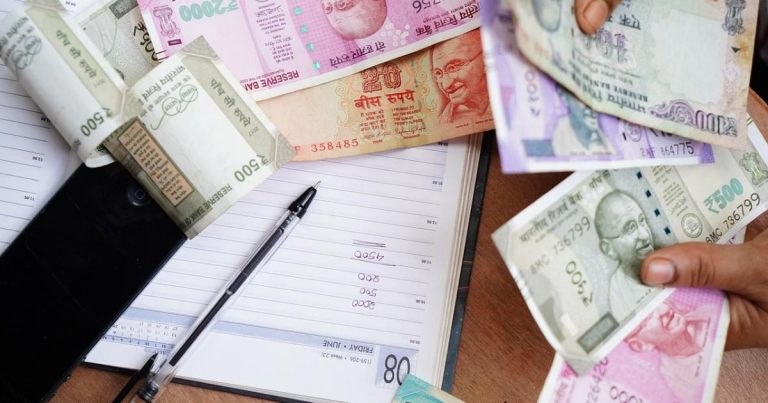

The Indian rupee weakened to 95.19 against the US dollar, coming under fresh pressure as crude oil prices surged to $124 per barrel, intensifying concerns over India’s import bill, inflation outlook, and macroeconomic stability.
The move reflects the rupee’s sensitivity to oil price spikes, given India’s heavy dependence on imported crude.
Key Highlights
- Rupee falls to 95.19/USD
- Crude oil jumps to $124 per barrel
- Higher oil prices pressure India’s trade balance
- Inflation concerns re-emerge
- Currency markets turn risk-averse
Why Crude Oil Hurts the Rupee
India imports the majority of its crude oil needs, meaning higher global oil prices increase demand for dollars from oil importers. This typically weakens the rupee as more foreign currency is required to pay for imports.
Higher oil prices can affect the rupee through:
- Wider current account deficit
- Rising import bill
- Increased inflation expectations
- Pressure on fiscal balances
Broader Market Impact
A weaker rupee can have knock-on effects across the economy, particularly for sectors dependent on imported inputs or foreign currency liabilities.
Oil-linked currency weakness may impact:
- Fuel and transport costs
- Corporate margins
- Foreign investor sentiment
- Imported inflation
RBI Likely Monitoring Closely
The Reserve Bank of India is expected to closely monitor rupee movements and may intervene if volatility becomes excessive.
Central bank action, if any, could include liquidity management or forex market intervention.
Higher Oil Prices Complicate Inflation Outlook
The surge in crude oil prices adds fresh uncertainty to India’s inflation trajectory, as energy costs influence a wide range of goods and services across the economy. Fuel price increases can gradually feed into transportation, manufacturing, logistics, and retail prices, potentially pushing consumer inflation higher in the coming months.
This may complicate the monetary policy outlook if inflation remains elevated for an extended period.
Imported Inflation Becomes a Concern
A weaker rupee alongside higher crude prices creates a double pressure effect on imported inflation. Since oil is purchased in dollars, rupee depreciation makes already expensive crude even costlier in domestic currency terms.
This dynamic can amplify the impact on:
- Fuel retail prices
- LPG and gas subsidy burden
- Industrial input costs
- Transportation expenses across sectors
Such pressures often weigh on corporate profitability and consumer spending.
Corporate Sector Impact
Several industries are particularly sensitive to rupee weakness and oil price spikes, including:
- Aviation and logistics
- Oil marketing companies
- Paint and chemical manufacturers
- Auto and transport sectors
Companies with significant imported raw material exposure may see margin pressure if higher costs cannot be fully passed on to consumers.
RBI and Policy Response in Focus
Market participants will watch closely for any response from the Reserve Bank of India if rupee volatility intensifies further. While the RBI does not target a fixed exchange rate, it often steps in to smooth excessive market fluctuations and prevent disorderly currency moves.
Outlook Depends on Oil and Dollar Trends
The rupee’s near-term direction will largely depend on whether crude oil prices stabilise and whether the broader US dollar strengthens further globally. Sustained pressure on either front could keep the Indian currency under strain in the coming sessions.
What Investors Are Watching
Market participants will track:
- Direction of global crude prices
- RBI intervention signals
- FII/FPI flows
- Dollar index movement
- Geopolitical developments affecting oil supply
Conclusion
The rupee’s fall to 95.19 underscores the pressure rising crude oil prices can place on India’s currency and macroeconomic outlook. If oil remains elevated, currency volatility may persist in the near term.
Add News Vent as a preferred source on Google – Click Here
Last Updated on: Thursday, April 30, 2026 10:57 am by Koushik Velpuri | Published by: Koushik Velpuri on Thursday, April 30, 2026 10:57 am | News Categories: Business
About The Author