
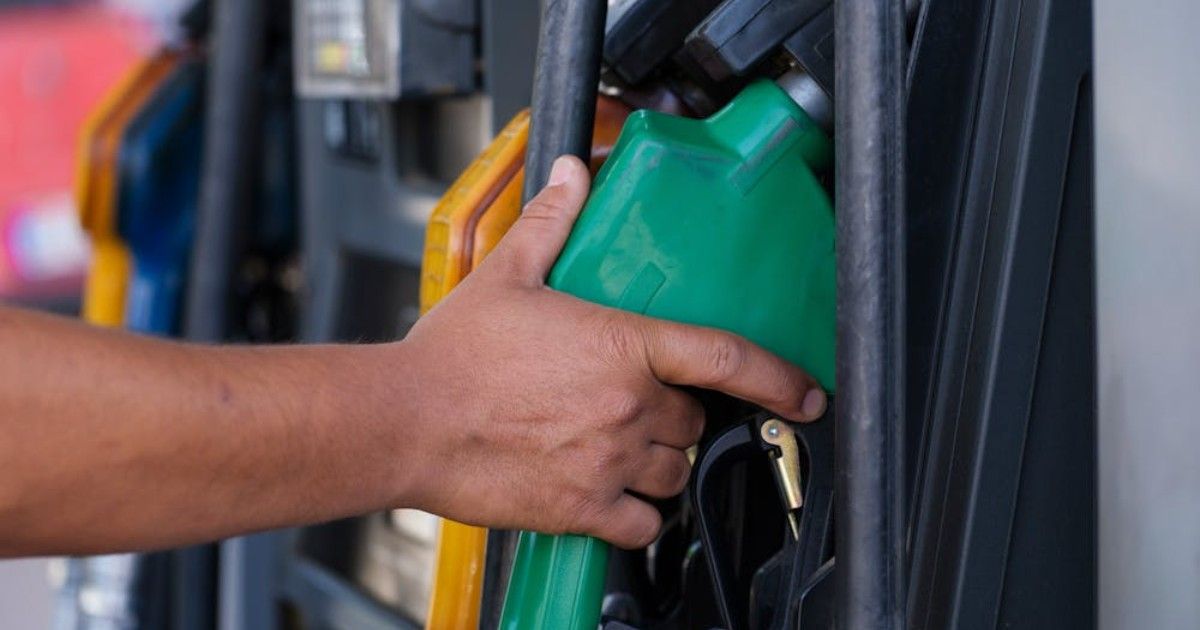
Petrol and diesel prices could remain under pressure if global crude oil prices continue rising, with international energy market volatility, geopolitical uncertainty, and supply-side concerns keeping fuel cost expectations elevated. Any sustained jump in crude prices can directly influence domestic fuel economics, inflation pressure, and transportation costs in India.
The outlook is likely to be closely watched by consumers, businesses, transport operators, and policymakers.
Why Fuel Prices Could Rise
Petrol and diesel pricing is closely linked to global crude oil trends, currency movement, taxation structures, and domestic pricing decisions.
Key drivers include:
- Rising international crude prices
- Geopolitical tensions
- Supply disruption concerns
- Rupee weakness against the U.S. dollar
- Refining economics
- Freight and logistics costs
A weaker rupee can further increase import costs for crude-dependent economies like India.
June Outlook in Focus
If crude oil maintains an upward trajectory, fuel retail pricing pressure could intensify in the coming weeks.
Potential broader impacts include:
- Higher transport costs
- Logistics inflation
- Costlier essential goods movement
- Input cost pressure for businesses
- Household budget strain
Inflation Concerns Remain Relevant
Fuel price increases often have spillover effects across the wider economy because transportation costs influence pricing in multiple sectors.
Areas commonly affected:
- Food distribution
- Consumer goods logistics
- Industrial transport
- Public mobility costs
- Supply chain expenses
Household Budgets and Business Costs May Face Pressure
Any sustained increase in petrol and diesel prices can quickly affect both household spending and business operating costs. Consumers may feel the impact through higher commuting expenses, while transport-dependent sectors could face rising logistics bills.
Small businesses, delivery networks, manufacturing operations, and freight operators are often particularly sensitive to fuel cost fluctuations because transportation remains a core operational expense.
Broader Inflationary Impact Possible
Fuel prices often have a cascading effect across the economy, influencing the cost of moving food, consumer goods, industrial materials, and essential supplies. This can contribute to broader inflationary pressure, especially if crude oil remains elevated for an extended period.
Policymakers and economists typically monitor such developments closely because sustained fuel inflation can affect consumption patterns and economic sentiment.
Global Market Volatility Adds Uncertainty
International oil prices remain highly sensitive to geopolitical developments, production decisions by major oil-producing nations, shipping disruptions, and global demand expectations. This makes short-term fuel price forecasting inherently uncertain.
Consumers and businesses may therefore continue monitoring both international energy markets and domestic pricing decisions as the June outlook evolves.
Global Economic Risk Watch
International institutions and economists frequently monitor energy price volatility because sharp fuel cost increases can influence inflation, growth expectations, and macroeconomic stability.
Consumers and markets are likely to closely watch global crude trends, currency movement, and domestic pricing decisions for clearer fuel cost direction in the coming weeks.
Key Insights
- Petrol and diesel prices in India may face upward pressure as global crude oil prices show signs of strengthening amid supply and geopolitical concerns.
- Rising crude benchmarks are likely to increase input costs for oil marketing companies, which could be passed on to consumers if the trend persists.
- The development has implications for inflation and household budgets, as fuel prices influence transportation and overall cost of living.
- India, as a major crude importer, remains highly sensitive to global oil price movements, currency fluctuations, and supply disruptions.
- Analysts are closely tracking OPEC+ output decisions, geopolitical tensions, and demand recovery trends for cues on future price direction.
- Any sustained increase in fuel prices could impact logistics, manufacturing costs, and economic sentiment, particularly in price-sensitive sectors.
- The outlook remains uncertain, with government policy interventions and tax adjustments potentially influencing retail fuel pricing decisions.
Image source: Pexels
Also read: Monsoon Update: Delhi-NCR Gets Temporary Relief as Dust Storm Lowers Temperatures; Will It Rain?
Add News Vent as a preferred source on Google – Click Here
Last Updated on: Saturday, May 23, 2026 10:52 am by Koushik Velpuri | Published by: Koushik Velpuri on Saturday, May 23, 2026 10:52 am | News Categories: News
About The Author