
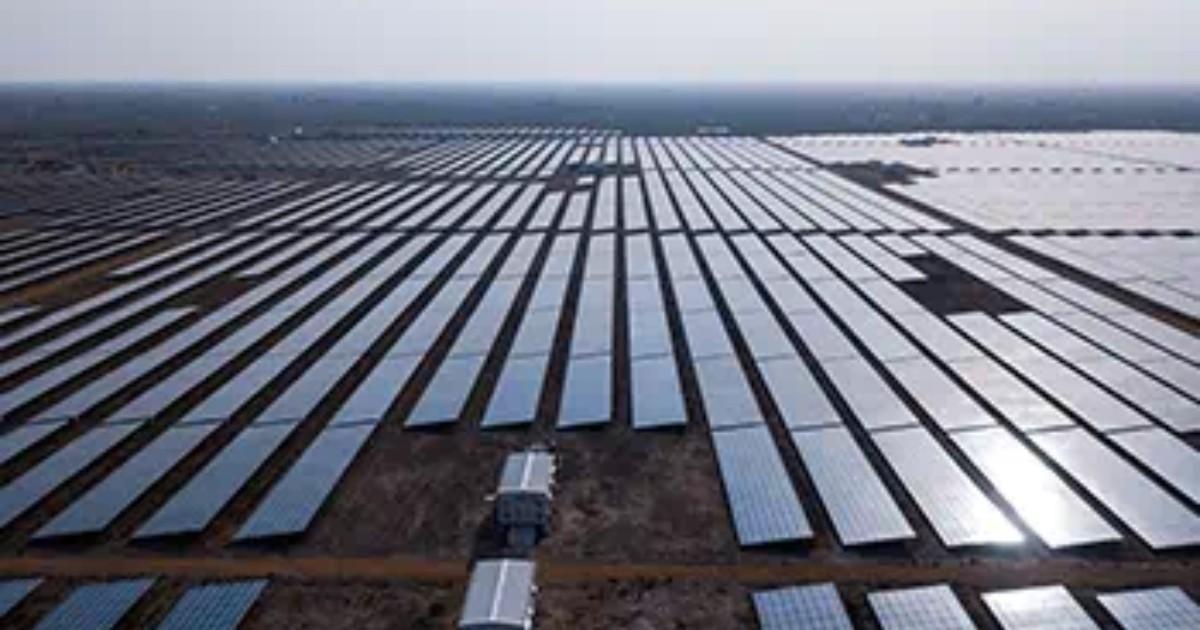
Adani Green Energy Limited has commissioned a 3.37 GWh battery energy storage system (BESS) at Gujarat’s Khavda, marking a significant development in India’s clean energy infrastructure and grid-scale energy storage ambitions. The project represents an important milestone in the country’s transition toward renewable energy integration and energy reliability enhancement.
The commissioning adds momentum to India’s broader push toward large-scale clean energy deployment and advanced storage infrastructure.
Major Energy Storage Milestone
Battery energy storage systems are becoming increasingly critical as renewable energy capacity expands, particularly because solar and wind generation are intermittent by nature.
Large-scale storage infrastructure can help support:
- Grid stability
- Renewable energy balancing
- Peak demand management
- Power supply reliability
- Energy flexibility
- Clean energy optimisation
Why the Khavda Project Matters
Khavda has emerged as one of India’s most closely watched renewable energy zones, making this development strategically important.
The project may contribute to:
- Renewable integration efficiency
- Reduced intermittency challenges
- Better energy dispatch capability
- Grid resilience improvement
India’s Clean Energy Transition in Focus
Energy storage is increasingly viewed as a key enabler of large-scale renewable adoption because it helps bridge supply-demand timing gaps.
This is especially relevant as India expands:
- Solar energy capacity
- Wind generation
- Hybrid renewable projects
- Grid modernisation efforts
Energy Storage Becomes Central to Renewable Growth
As India accelerates renewable energy expansion, battery energy storage is becoming an increasingly important part of the power ecosystem. Large-scale storage projects help address one of the biggest challenges associated with renewable power generation intermittency.
Since solar and wind energy output can fluctuate depending on weather and time of day, storage systems provide a mechanism to preserve energy for later use and improve supply reliability.
Grid Modernisation Gains Momentum
Advanced battery infrastructure can also support broader grid modernisation efforts by improving load balancing, peak demand management, and operational flexibility for power networks. As electricity demand continues to rise, such infrastructure may become increasingly important for maintaining energy stability while integrating larger volumes of clean power.
The project also strengthens Adani Green’s position within India’s renewable infrastructure ecosystem, where large-scale execution capability remains strategically important.
Broader Sector Significance
Grid-scale battery storage is expected to become increasingly central to India’s future energy architecture.
Potential long-term benefits include:
- Cleaner power integration
- Improved energy reliability
- Lower curtailment risk
- Better renewable scalability
Key Insights
- Adani Green Energy has commissioned a 3.37 GWh Battery Energy Storage System (BESS) at Gujarat’s Khavda renewable energy hub, marking a major milestone in India’s clean energy expansion.
- The company described the project as the world’s largest single-location battery storage deployment outside China and among the fastest executed utility-scale storage projects globally.
- The storage system is designed to improve grid reliability, peak-hour electricity supply, and round-the-clock renewable power delivery, addressing the intermittency challenges of solar and wind energy.
- The Khavda facility can reportedly store enough clean energy to power nearly one million homes for an entire day, highlighting the scale of the infrastructure deployment.
- The project was completed within 10 months of construction commencement, underscoring the rapid pace of India’s large-scale renewable infrastructure rollout.
- Khavda is emerging as a critical renewable energy hub, where Adani Green is developing a planned 30 GW renewable energy park by 2029, with nearly 9.9 GW already operational.
- The development aligns with India’s broader push toward energy transition, grid-scale storage, and net-zero ambitions, as battery systems become increasingly central to renewable energy integration.
Image source: Adani Green Energy Ltd official site
Add News Vent as a preferred source on Google – Click Here
Last Updated on: Tuesday, May 26, 2026 2:31 pm by Koushik Velpuri | Published by: Koushik Velpuri on Tuesday, May 26, 2026 2:31 pm | News Categories: Business
About The Author