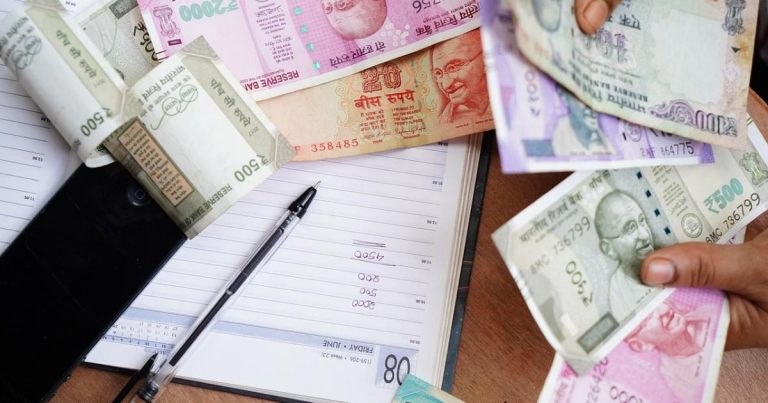

Indian equity markets traded under pressure, with the BSE Sensex falling around 145 points and the NSE Nifty 50 hovering near 23,888 as investor sentiment weakened amid continued crude oil volatility and geopolitical uncertainty linked to the U.S.-Iran situation. Oil-sensitive sectors faced pressure, while heavyweight stocks like HDFC Bank and Infosys emerged among the top losers on the BSE.
The muted decline reflects cautious trading rather than panic selling, but investors remain highly sensitive to global energy market developments.
Crude Oil Concerns Hit Market Mood
Crude oil remains one of the biggest macro triggers for Indian markets. Elevated oil prices increase economic pressure because India imports a large portion of its energy requirements.
Higher crude prices can lead to:
- Rising fuel inflation
- Increased import bills
- Pressure on the rupee
- Higher transportation costs
- Corporate margin compression
Brent crude staying elevated has kept traders cautious about inflation spillover risks.
Why HDFC Bank and Infosys Are Under Pressure
Large-cap benchmark names often see immediate selling when broader risk sentiment weakens.
Possible reasons include:
Financial Sector Pressure
Banking stocks can face caution when investors worry about:
- Inflation-led rate uncertainty
- Slower credit sentiment
- Foreign institutional outflows
IT Sector Weakness
Technology stocks like Infosys may come under pressure due to:
- Global risk-off sentiment
- Dollar and macro uncertainty
- Overseas demand concerns
Investors Remain Focused on Global Triggers
Market sentiment is likely to remain cautious as investors continue tracking global developments that could influence energy prices and broader economic stability. Geopolitical uncertainty often creates rapid shifts in investor behaviour, particularly in emerging markets where external shocks can impact currency movement, inflation expectations, and foreign capital flows. Even moderate benchmark declines can reflect heightened caution rather than broad panic.
Sector-Wise Pressure Could Continue
Oil-sensitive sectors such as aviation, logistics, transportation, and select manufacturing businesses may remain under pressure if crude prices stay elevated. Financial and technology stocks could also continue seeing volatility depending on foreign investor activity and global macro sentiment. Meanwhile, energy-linked stocks may attract selective interest if higher oil prices support sector-specific expectations.
Near-Term Market Direction Remains Uncertain
Traders will closely monitor crude oil movement, rupee performance, institutional fund flows, and geopolitical headlines for directional cues. Any easing in global tensions or stabilisation in energy prices could improve confidence, while continued uncertainty may keep benchmark indices volatile in the near term.
Geopolitical Headlines Still Driving Sentiment
Markets remain highly reactive to developments involving the U.S. and Iran because energy supply risks can rapidly reshape investor expectations.
Investor concerns include:
- Strait of Hormuz disruption risks
- Energy inflation
- Global trade instability
- Emerging market fund outflows
Broader Market Outlook
Despite benchmark weakness, traders will closely watch whether:
- Crude oil stabilises
- Foreign investor selling eases
- Rupee pressure moderates
- Global diplomatic tensions cool
Key Insights
- Indian benchmark indices edged lower, with the BSE Sensex slipping 145 points and the Nifty 50 trading near 23,888 amid cautious market sentiment.
- The decline was driven by rising crude oil price concerns, which weighed on investor confidence and raised inflationary fears.
- Oil-sensitive sectors such as aviation, auto, and paints saw selling pressure, reflecting higher input cost worries.
- Investors remained cautious due to global geopolitical uncertainties, particularly developments affecting energy markets.
- Despite the dip in frontline indices, selective buying in mid-cap and small-cap stocks helped limit broader market losses.
- Analysts note that sustained volatility in crude prices could impact India’s inflation outlook, currency stability, and corporate margins.
- Market participants are closely tracking global oil trends, geopolitical signals, and foreign investment flows for near-term direction.
Image source: Pixabay
Add News Vent as a preferred source on Google – Click Here
Last Updated on: Wednesday, May 27, 2026 10:36 am by Koushik Velpuri | Published by: Koushik Velpuri on Wednesday, May 27, 2026 10:36 am | News Categories: Business
About The Author