
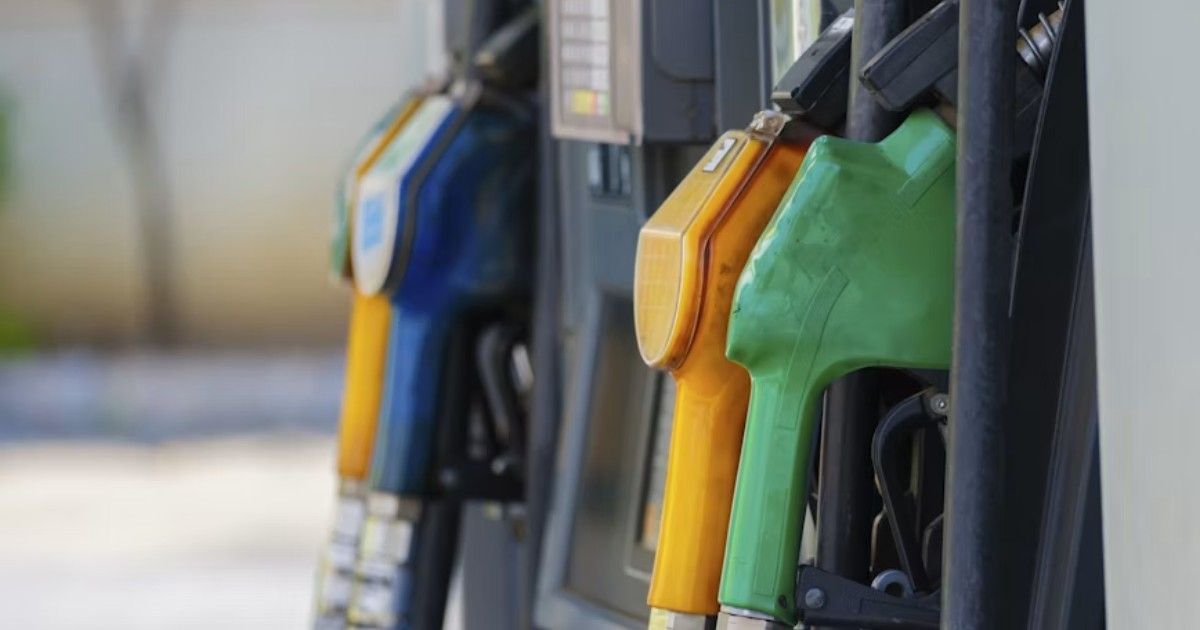
New Delhi: The Central Government has moved to restrict industries and large commercial consumers from purchasing petrol and diesel directly from retail fuel stations, a policy shift aimed at streamlining fuel distribution, improving monitoring mechanisms, and encouraging bulk procurement through authorized supply channels.
The decision is expected to affect a wide range of industrial users, including manufacturing units, construction companies, infrastructure firms, mining operators, and large commercial establishments that consume substantial quantities of fuel for operational purposes.
Officials say the move is designed to ensure that retail fuel outlets primarily serve individual consumers and small users, while larger industrial consumers source fuel through dedicated bulk supply arrangements.
What the New Rule Means
Under the revised framework, industries and other high-volume consumers will no longer be permitted to procure petrol and diesel from regular fuel stations intended for retail sales. Instead, they will be required to obtain fuel through authorized bulk suppliers or direct delivery mechanisms established by oil marketing companies.
The policy is intended to create a clearer distinction between retail fuel sales and commercial bulk consumption.
Industry experts note that many large organizations already rely on bulk fuel procurement systems because they offer logistical advantages, better inventory management, and more predictable supply arrangements.
The new restrictions are expected to formalize this practice across sectors with significant fuel requirements.
Why the Government Has Taken This Step
Fuel distribution remains a critical component of India’s energy infrastructure. Authorities have increasingly focused on improving transparency, monitoring consumption patterns, and ensuring efficient allocation of petroleum products.
Officials believe separating industrial consumption from retail fuel sales can help:
- Improve fuel supply chain management.
- Enhance tracking and auditing of large-scale fuel usage.
- Reduce operational pressure on retail fuel stations.
- Strengthen regulatory oversight.
- Encourage more efficient fuel logistics.
The move also aligns with broader efforts to modernize fuel distribution networks and improve operational efficiency across the petroleum sector.
Impact on Industries
The decision is likely to have the greatest impact on industries that depend heavily on diesel-powered equipment and transportation fleets. Construction companies, mining operators, logistics firms, manufacturing plants, and infrastructure developers are among the sectors expected to adjust their procurement practices.
While larger companies generally have existing arrangements for bulk fuel purchases, smaller industrial units that occasionally relied on retail pumps may need to establish new supply contracts.
Industry associations are expected to engage with policymakers and oil marketing companies to ensure a smooth transition and avoid disruptions to business operations.
Experts suggest that companies may need to strengthen fuel storage, inventory planning, and supply management systems as part of the transition.
Implications for Fuel Retailers
Retail fuel outlets are also expected to witness changes in customer composition. Petrol pumps have traditionally catered primarily to individual motorists, commercial vehicles, and small businesses, but some locations also served industrial customers purchasing fuel in larger quantities.
With industrial consumers shifting toward bulk procurement channels, retail stations may experience changes in fuel sales volumes and operational patterns.
However, industry observers note that retail fuel demand from personal vehicles, transport operators, and small commercial users is expected to remain strong.
Key Insights:
- The Government of India has barred industries from purchasing petrol and diesel at retail fuel pumps, aiming to streamline fuel distribution.
- The move encourages companies to shift to direct bulk procurement from oil marketing companies (OMCs) instead of relying on retail outlets.
- The policy is designed to reduce misuse of subsidised or retail-priced fuel and ensure better supply management.
- Industries will now need to arrange dedicated bulk supply agreements and storage facilities for their fuel requirements.
- The decision is expected to improve transparency, pricing efficiency, and inventory control in the fuel supply chain.
- Oil companies may benefit from more predictable bulk demand and streamlined logistics.
Image source: Unspalsh
Also read: ED Conducts Raids Across Telugu States in Andhra Pradesh Liquor Scam Investigation
Add News Vent as a preferred source on Google – Click Here
Last Updated on: Friday, June 12, 2026 10:31 am by Koushik Velpuri | Published by: Koushik Velpuri on Friday, June 12, 2026 10:31 am | News Categories: News
About The Author