
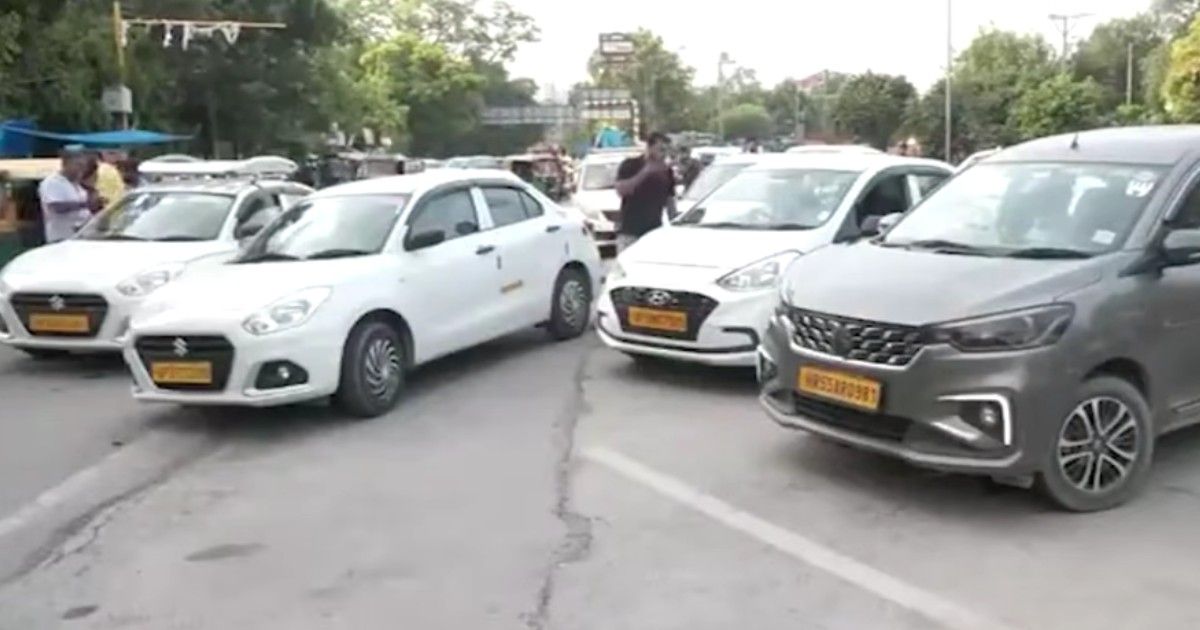
Gurugram cab drivers strike today has led to major disruptions in app-based taxi services, with drivers associated with platforms like Ola and Uber going off the roads. Commuters across the city are facing long wait times, frequent cancellations, and limited cab availability.
The strike, backed by driver unions, comes amid rising concerns over safety, lack of accountability from passengers, and declining earnings.
What Triggered the Strike?
The protest has been largely driven by growing safety concerns among drivers. Several incidents of assaults, threats, and harassment during rides have been reported in recent months.
A major trigger was a shocking incident earlier this year where a 25-year-old driver was allegedly killed during a robbery attempt in Gurugram, intensifying fears among the driver community.
Drivers say such incidents highlight the risks they face daily, especially when dealing with unverified passengers.
Key Demands of Ola, Uber Drivers
Driver unions have raised multiple demands, focusing mainly on safety and fair working conditions:
1. Mandatory KYC for Passengers
Drivers are demanding that all riders undergo verification using Aadhaar or valid ID. They argue that while drivers are strictly verified, passengers can currently book rides anonymously, increasing safety risks.
2. Better Safety Measures
Many drivers claim that in-app safety features like SOS buttons are ineffective and fail to provide timely help during emergencies.
3. Strong Grievance Redressal System
Drivers want a proper system to report issues like abuse, non-payment, or threats from passengers. Currently, they say there is no reliable mechanism to address such complaints.
4. Action Against Fake Profiles
Unverified accounts and fake identities are a major concern. Drivers allege that criminals misuse the system to target them, especially during late-night rides.
5. Minimum Base Fare
Apart from safety, some driver groups are also demanding better earnings through a fixed minimum fare, citing rising fuel and operational costs.
Impact on Commuters
The strike has significantly affected daily travel in Gurugram.
- Ride bookings are taking 10–15 minutes, compared to the usual 1–2 minutes
- Cab availability has dropped sharply
- High-demand areas like DLF Phase, Sector 46, and Sohna Road are worst affected
Office-goers and residents are struggling to find reliable transport, especially during peak hours.
Bigger Picture: Growing Gig Worker Concerns
This strike reflects a broader issue within India’s gig economy. Drivers have repeatedly raised concerns about safety, income stability, and lack of protection.
The demand for passenger verification highlights a key imbalance while drivers undergo strict background checks, riders often remain unverified.
What Happens Next?
As the strike continues, attention is now on how companies like Ola and Uber respond to these demands. Any resolution will likely require platform-level changes and possibly regulatory intervention.
For now, commuters in Gurugram may continue to face disruptions, while the protest puts a spotlight on the urgent need to improve safety and working conditions for app-based drivers.
Also read: PM Modi in Parliament Today: 10 Key Statements That Show India’s Stand on West Asia War
Add News Vent as a preferred source on Google – Click Here
Last Updated on: Monday, March 23, 2026 2:52 pm by Koushik Velpuri | Published by: Koushik Velpuri on Monday, March 23, 2026 2:52 pm | News Categories: Business
About The Author