Iran war impact on India energy crisis is becoming a key concern as tensions involving Iran, the United States, and Israel continue to escalate. While fears of a COVID-like lockdown have surfaced, experts indicate that the real risk lies in rising fuel prices, supply disruptions, and broader economic pressure rather than restrictions on public movement.
Amid escalating tensions involving Iran, the United States, and Israel, concerns have surfaced over whether a COVID-like lockdown could return. However, experts and government signals suggest that such a scenario is highly unlikely, as the current situation is geopolitical rather than a public health emergency.
Unlike the pandemic, which required strict movement restrictions to contain the virus, the ongoing conflict is expected to primarily affect global energy markets, trade routes, and economic stability rather than daily mobility.
Why the Conflict Matters for India
The West Asia region plays a crucial role in global energy supply, with a significant portion of oil and gas shipments passing through strategic routes such as the Strait of Hormuz. Any disruption in this region has immediate implications for countries like India, which rely heavily on energy imports.
India imports over 80% of its crude oil requirements, much of it sourced from West Asian nations. As tensions rise, risks to supply chains and shipping routes have increased, prompting concerns about fuel availability and pricing.
Fuel Supply Stable, But Prices May Rise
Oil marketing companies have indicated that there is currently no shortage of petrol, diesel, or LPG in India. Supply chains remain operational, and fuel availability is stable across most regions.
However, global crude oil prices have shown signs of volatility due to the conflict. If tensions persist or escalate further, India could see a rise in fuel prices, which would have a cascading effect on transportation costs, manufacturing, and household expenses.
Economic Impact Could Be Significant
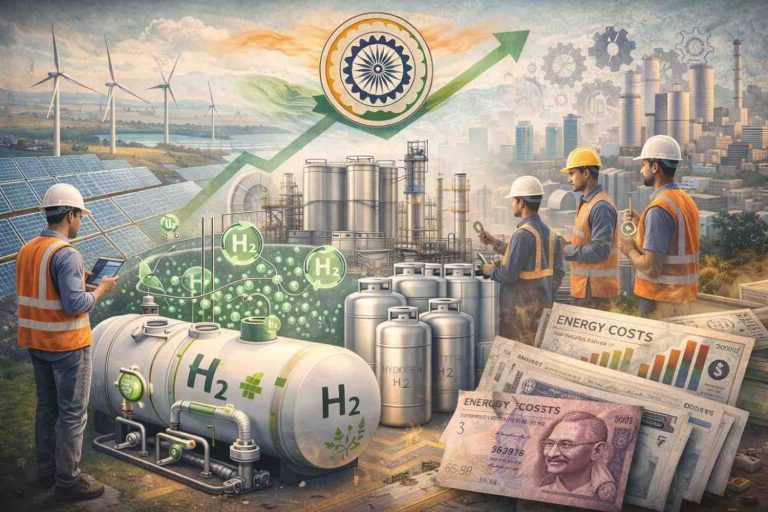
While a lockdown is not expected, the economic impact of the conflict could be substantial. Rising energy costs are likely to contribute to inflationary pressures, affecting the overall cost of living.
Industries dependent on fuel and logistics, including aviation, manufacturing, and supply chain operations, may face increased costs. Early indicators suggest that certain sectors are already experiencing slower growth due to uncertainty in global markets.
Pressure on Trade Routes and Supply Chains
One of the key concerns is the potential disruption of major shipping routes. The Strait of Hormuz, a critical passage for global oil shipments, has been under close watch due to security risks.
Any blockage or delay in this route could lead to supply bottlenecks, impacting not only fuel but also other goods transported through the region. This could further strain global supply chains and affect imports into India.
India’s Preparedness and Response
India appears relatively better prepared to handle such disruptions compared to previous crises. The country has diversified its oil import sources over the years, reducing dependence on a single region.
Additionally, strategic petroleum reserves and ongoing diplomatic engagements provide a buffer against sudden supply shocks. The government is closely monitoring the situation and is expected to take necessary measures if conditions worsen.
No Immediate Crisis, But Risks Remain
At present, there is no immediate energy crisis in India. Fuel supplies are stable, and there are no indications of shortages or emergency measures.
However, the situation remains fluid, and prolonged conflict could increase risks related to pricing, inflation, and supply chain disruptions.
India’s preparedness and diversified energy strategy provide some level of resilience, but continued monitoring and policy responses will be crucial in navigating the evolving situation.
Also read: BPCL Launches Advanced Bioethanol Plant in Odisha to Turn Farm Waste into Fuel
Add News Vent as a preferred source on Google – Click Here
Last Updated on: Wednesday, March 25, 2026 1:27 pm by Koushik Velpuri | Published by: Koushik Velpuri on Wednesday, March 25, 2026 1:21 pm | News Categories: India
About The Author