
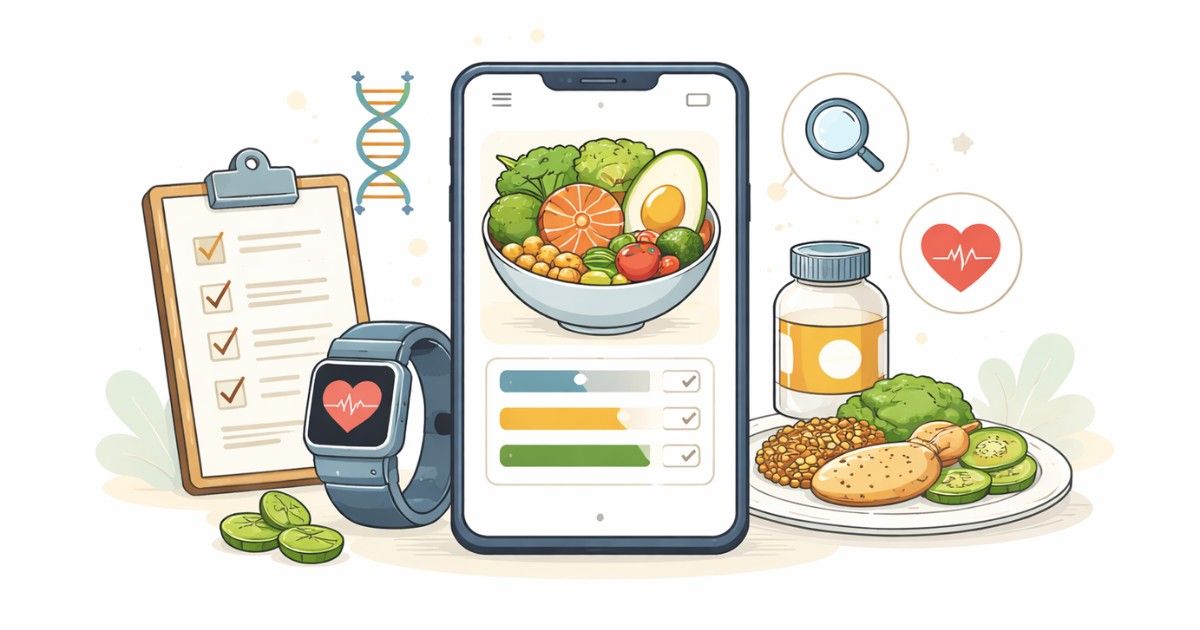
As Holi celebrations bring festive meals and sweets to dining tables across India, online searches for “post-Holi detox” have surged. At the same time, another phrase is trending sharply: “Personalized Nutrition AI.” Health experts say 2026 is shaping up to be the year when diet culture shifts from general calorie counting to data-driven wellness powered by DNA insights and real-time metabolic tracking.
The emerging concept, often described as “bio-designing,” refers to tailoring nutrition and lifestyle habits using genetic testing, microbiome analysis, and artificial intelligence tools. Unlike traditional diet plans that offer the same advice to large groups, bio-design approaches focus on how an individual body responds to specific foods.
From Generic Diets to Data-Based Decisions
For years, nutrition guidance relied on broad categories such as low-carb, high-protein, or plant-based diets. While such approaches can benefit many, they do not account for genetic variation, gut bacteria diversity, or differences in metabolic rates.
Recent advances in consumer health technology have made personal data more accessible. Home DNA kits and microbiome tests now provide reports on nutrient absorption, lactose tolerance, and gut health markers. These reports are increasingly integrated into AI-powered mobile applications that generate daily meal plans based on user-specific data.
Nutrition researchers caution that genetic data alone does not determine health outcomes. However, when combined with lifestyle tracking, sleep patterns, and activity levels, it can help identify trends unique to an individual.
How AI Tracks Metabolic Responses
A central feature of personalized nutrition AI platforms is continuous data monitoring. Wearable devices and glucose sensors can measure blood sugar changes after meals. Some apps analyse how different foods affect energy levels, digestion, and recovery.
Instead of recommending broad detox diets after festivals like Holi, these platforms often suggest incremental adjustments. For example, a user whose data shows high post-meal glucose spikes may receive guidance to increase fibre intake or adjust portion sizes.
Health professionals emphasise that the term “detox” can be misleading. The body’s liver and kidneys naturally manage toxin elimination. Post-festival wellness plans typically focus on hydration, balanced nutrition, and adequate rest rather than extreme restrictions.
Rise of Bio-Design Health Habits
The phrase “Bio-design health habits” reflects a broader shift toward measurable routines. AI-based platforms now track micronutrient intake, hydration levels, heart rate variability, and sleep quality. Over time, these datasets help create personalised health baselines.
For example, two individuals consuming the same festive sweets may experience different metabolic responses. AI systems can identify these variations and adjust recommendations accordingly. This approach moves beyond one-size-fits-all dieting and aims to reduce trial-and-error cycles.
Experts note that while technology can support healthier choices, professional supervision remains important. Dietitians and medical practitioners often interpret complex reports to ensure advice aligns with medical history and existing conditions.
Privacy and Data Considerations
With increased data collection comes greater responsibility. DNA and health information are sensitive. Consumers are advised to review privacy policies carefully and ensure platforms comply with relevant data protection standards.
Industry observers point out that regulatory frameworks around digital health are evolving. Clear guidelines on data storage, consent, and usage will shape how widely these tools are adopted.
A Sustainable Approach After Festive Indulgence
Following Holi celebrations, many individuals search for rapid fixes. However, nutrition experts recommend gradual recalibration rather than extreme diets. Personalized AI tools can assist by offering balanced meal plans based on prior eating patterns and current metabolic data.
Common science-backed post-festival adjustments include increasing water intake, prioritising whole foods, moderating sugar consumption, and maintaining consistent meal timing. When guided by personal data, these steps may be more sustainable than generic detox regimes.
The Road Ahead for Data-Driven Wellness
The growing interest in personalized nutrition AI signals a broader transformation in how people approach health. As technology integrates genetic, metabolic, and lifestyle data, wellness strategies are becoming more customised.
Researchers continue to study the long-term benefits of such approaches. While early adoption is strongest among urban and tech-savvy populations, accessibility may expand as costs decrease and digital literacy improves.
For now, 2026 marks a visible turning point. Instead of following mass diet trends, consumers are increasingly turning to data-backed guidance that reflects their unique biology. As the conversation around bio-design health habits gains momentum, the focus appears to be shifting from short-term fixes to informed, personalised routines grounded in measurable insights.
Add News Vent as a preferred source on Google – Click Here
Edited by – VVS Koushik
Last Updated on: Tuesday, March 3, 2026 3:28 pm by News Vent Team | Published by: News Vent Team on Tuesday, March 3, 2026 3:24 pm | News Categories: Technology
About The Author