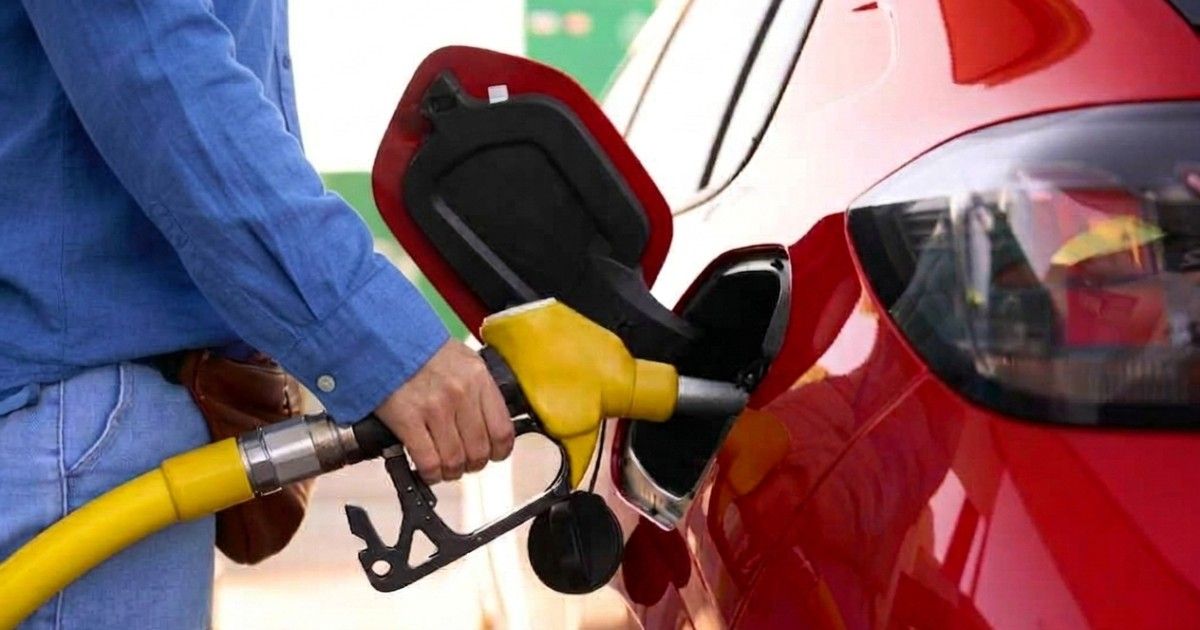
Premium petrol prices have surged to Rs 160 per litre, marking a significant increase in fuel costs, while jet fuel prices have risen by 8.5%, according to the latest revisions by oil marketing companies. The hike comes amid fluctuating global crude oil prices and currency pressures, impacting both consumers and the aviation sector.
The price revision is expected to have a ripple effect across transportation, logistics, and air travel, potentially pushing up costs for businesses and households alike.
Key Highlights
Sharp Increase in Premium Petrol
- Premium petrol has reached Rs 160 per litre, depending on the city
- The hike reflects rising global crude oil prices and refining costs
- Urban consumers using high-octane fuel are most affected
Jet Fuel Prices Jump by 8.5%
- Aviation turbine fuel (ATF), commonly known as jet fuel, has increased by 8.5%
- This marks one of the steepest hikes in recent months
- Airlines may face higher operational costs as a result
What Officials and Industry Sources Indicate
Officials from oil marketing companies have attributed the price rise to international crude oil trends, exchange rate fluctuations, and supply-side pressures. While no formal statement suggests further hikes immediately, industry analysts warn that prices could remain volatile.
Aviation sector representatives have also expressed concern, noting that fuel accounts for a significant portion of airline operating expenses, and such increases could strain margins.
Background: Why Are Fuel Prices Rising?
Fuel prices in India are influenced by several key factors:
Global Crude Oil Prices
India imports a large portion of its crude oil. When global prices rise, domestic fuel prices often follow.
Currency Exchange Rates
A weaker rupee against the US dollar makes imports more expensive, adding to fuel costs.
Taxes and Duties
Central and state taxes contribute significantly to retail fuel prices, amplifying the impact of global changes.
Aviation Sector Sensitivity
Jet fuel prices are revised more frequently and are highly sensitive to global market movements, making airlines vulnerable to sudden cost spikes.
Impact on the Public and Economy
Rising Transportation Costs
Higher petrol prices can increase the cost of personal and commercial transportation, leading to:
- Increased commuting expenses
- Higher logistics and delivery costs
Pressure on Airline Fares
With jet fuel becoming more expensive:
- Airlines may increase ticket prices
- Budget carriers could be particularly affected
- Demand for air travel may fluctuate
Inflationary Concerns
Fuel price hikes often contribute to overall inflation, as they affect:
- Food prices (via transportation costs)
- Goods and services pricing
What This Means for Consumers
For everyday consumers, the immediate impact will be felt at fuel stations and possibly in travel expenses. Those using premium petrol vehicles will see a direct increase in spending, while airline passengers may soon face higher fares.
Businesses, especially those dependent on logistics and transportation, may also pass on increased costs to customers.
The rise in premium petrol prices to Rs 160 per litre and the 8.5% increase in jet fuel highlight the ongoing volatility in global energy markets. While the immediate impact is being felt by consumers and airlines, the broader economic implications could unfold over the coming weeks.
Much will depend on global crude trends and policy responses. For now, both consumers and industries may need to brace for continued fluctuations in fuel costs.
Also read: Trump Says Iran War Could End in ‘Two to Three Weeks’ as US Signals Possible Withdrawal
Add News Vent as a preferred source on Google – Click Here
Edited by – Koushik VVS
Last Updated on: Wednesday, April 1, 2026 12:11 pm by Koushik Velpuri | Published by: Koushik Velpuri on Wednesday, April 1, 2026 12:11 pm | News Categories: Business
About The Author