
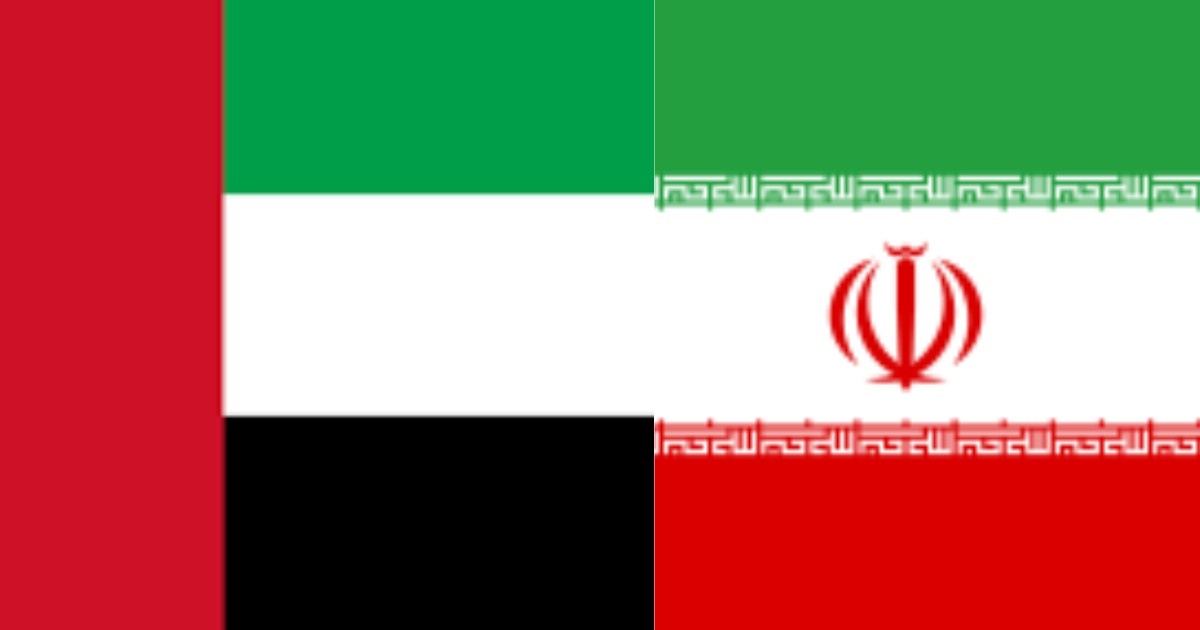
Tehran/Abu Dhabi, March 19: Iran has accused the United Arab Emirates (UAE) of playing a role in facilitating recent U.S. military strikes on its territory, marking a major escalation in already rising Middle East tensions. The allegation, made through official diplomatic channels, has further complicated the regional conflict involving Iran, the United States, and Israel.
According to reports, Iran’s UN ambassador has formally claimed that the UAE allowed its territory to be used for launching attacks, calling it an “internationally wrongful act” and demanding compensation for damages caused by the strikes.
What Iran Is Claiming
Iran alleges that U.S. forces used locations within the UAE to carry out strikes on key Iranian targets, including strategic infrastructure and military facilities.
- Tehran claims UAE territory was used as a launch base
- It has demanded financial compensation and accountability
- The accusation was submitted through a formal UN communication
Earlier reports also indicated that Iran had warned of retaliatory actions if neighboring countries were involved in supporting attacks against it.
However, no independent verification has confirmed these claims so far.
UAE Responds Strongly
The UAE has firmly rejected Iran’s accusations, instead condemning Iranian missile and drone attacks targeting its own infrastructure.
- UAE called the attacks a “dangerous escalation”
- Key facilities like Habshan gas plant and Bab oil field were targeted
- Air defense systems intercepted most threats, but disruptions occurred
The Emirati government maintains that it is not involved in offensive operations and has emphasized its right to defend its territory.
Conflict Expands Across the Region
The accusation comes amid a rapidly widening conflict that is now affecting multiple countries in the Gulf.
Recent developments include:
- Missile strikes on Qatar’s LNG facilities, causing fires and damage
- Threats against Saudi Arabia and UAE energy infrastructure
- Increased military activity involving U.S. and Israeli forces
The conflict is no longer limited to Iran and Israel it is evolving into a regional crisis involving multiple nations.
Global Impact: Energy and Security Concerns
The escalating tensions are already having global consequences:
- Oil prices rising sharply
- Disruptions in gas supply chains
- Increased risk to shipping routes like the Strait of Hormuz
Analysts warn that continued escalation could trigger:
- Global inflation
- Energy shortages
- Broader geopolitical instability
What This Means Strategically
Iran’s accusation against the UAE signals a shift in strategy:
- Expanding the conflict beyond direct adversaries
- Pressuring regional allies of the U.S.
- Increasing diplomatic and economic pressure
At the same time, Gulf countries are becoming more directly involved, whether as targets or alleged participants.
What Happens Next?
Experts outline three possible scenarios:
1. Further Regional Escalation
More Gulf nations could be drawn into the conflict, especially if infrastructure continues to be targeted.
2. Diplomatic Confrontation at the UN
Iran’s complaint may lead to international debates and possible investigations.
3. Military Retaliation
If accusations persist, retaliatory strikes could expand further across the region.
The Bottom Line
Iran’s accusation that the UAE aided U.S. strikes marks a dangerous turning point in the Middle East conflict. With both sides exchanging claims and attacks, the situation is rapidly evolving into a multi-country geopolitical crisis with global consequences.
The coming days will be critical in determining whether tensions de-escalate or spiral into a wider regional conflict.
Also read: Patna Gold Prices Drop Today: Check Latest 24K, 22K, 18K Rates Per Gram
Add News Vent as a preferred source on Google – Click Here
Last Updated on: Thursday, March 19, 2026 1:11 pm by Koushik Velpuri | Published by: Koushik Velpuri on Thursday, March 19, 2026 1:11 pm | News Categories: Politics
About The Author