
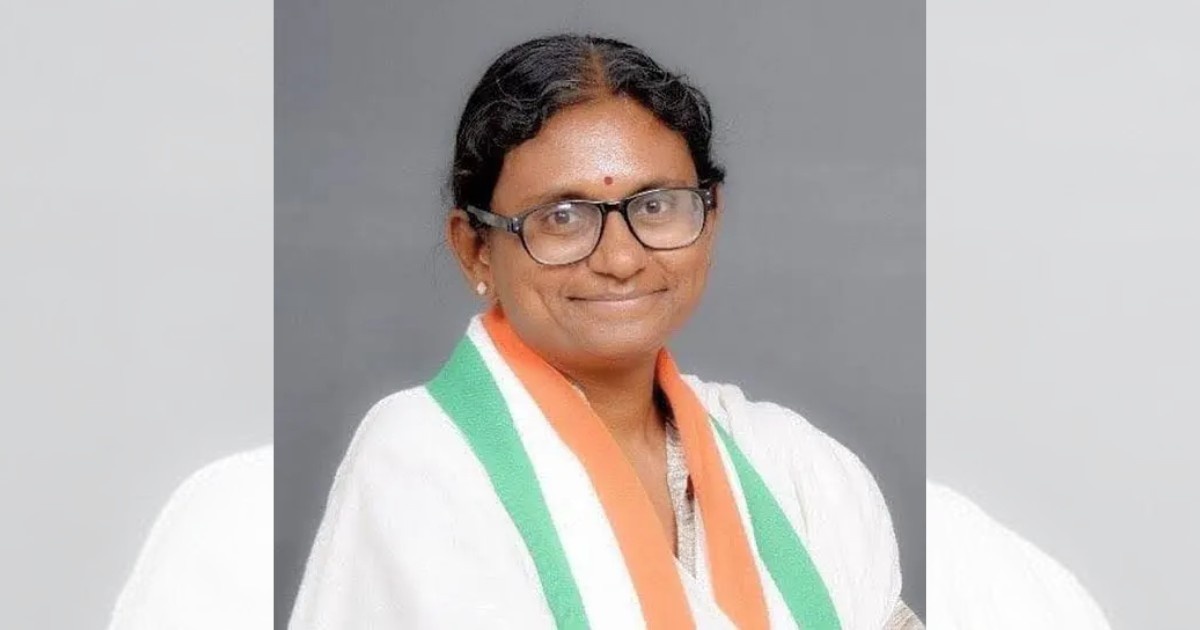
New Delhi: The Supreme Court is set to hear a petition filed by senior Congress leader Meenakshi Natarajan challenging aspects of the Rajya Sabha election process, a case that could draw significant political and legal attention due to its implications for parliamentary representation and electoral procedures.
Natarajan, a prominent Congress figure and former Member of Parliament, has approached the apex court seeking judicial intervention in a dispute related to a Rajya Sabha election. The matter is expected to raise important questions regarding electoral fairness, constitutional provisions, and the interpretation of rules governing elections to the Upper House of Parliament.
The hearing comes at a time when political parties across the country are increasingly turning to courts to resolve election-related disputes, highlighting the judiciary’s crucial role in safeguarding democratic processes.
What the Case Is About
While the detailed arguments are expected to emerge during court proceedings, the petition reportedly challenges certain aspects of the Rajya Sabha election process and seeks legal scrutiny of decisions that Natarajan believes may have affected the integrity or outcome of the election.
Rajya Sabha elections differ significantly from direct public elections because members of the Upper House are elected by elected representatives of state legislative assemblies through a system of proportional representation and single transferable vote.
Given the complexity of the process, disputes occasionally arise regarding nominations, voting procedures, eligibility criteria, and the interpretation of election rules.
Why the Supreme Court Hearing Matters
Election-related cases often carry significance beyond the individuals directly involved because judicial decisions can establish precedents that influence future electoral practices.
Constitutional experts note that the Supreme Court’s observations in such matters can shape the interpretation of election laws and reinforce standards of transparency and accountability in democratic institutions.
The case is likely to attract attention from political parties, election law specialists, and constitutional scholars due to its potential implications for Rajya Sabha elections and legislative representation.
Meenakshi Natarajan’s Political Profile
Meenakshi Natarajan is regarded as one of the Congress party’s prominent leaders and has played an active role in national politics for several years. She previously represented Madhya Pradesh in the Lok Sabha and has been associated with key organizational responsibilities within the party.
Known for her involvement in political and social issues, Natarajan has remained an influential voice within the Congress, particularly on matters related to governance, democratic institutions, and public policy.
Her decision to challenge the Rajya Sabha election process underscores the importance the Congress places on electoral transparency and procedural fairness.
Broader Political Implications
The case could have political implications depending on the issues raised and the eventual outcome of the proceedings. Rajya Sabha membership is strategically important for political parties because the Upper House plays a key role in the legislative process, including the passage and review of important bills.
Any legal dispute involving a Rajya Sabha election naturally attracts political attention because it can affect representation, legislative strength, and broader political calculations.
Key Insights:
- The Supreme Court of India is set to hear a plea filed by Meenakshi Natarajan challenging aspects of the Rajya Sabha election process.
- The petition raises concerns over procedural and legal issues related to how Rajya Sabha elections are conducted.
- The case could examine whether certain practices align with constitutional provisions and electoral fairness.
- The matter has drawn attention due to its potential impact on future upper house elections and political representation.
- Legal experts believe the hearing may clarify rules governing voting procedures, nominations, or transparency in the process.
- The outcome could have broader implications for electoral reforms and democratic processes in India.
- Political parties and observers are closely watching the case for its potential impact on parliamentary dynamics.
Image credits: The New Indian Express
Add News Vent as a preferred source on Google – Click Here
Last Updated on: Thursday, June 11, 2026 12:20 pm by Koushik Velpuri | Published by: Koushik Velpuri on Thursday, June 11, 2026 12:20 pm | News Categories: News, Politics
About The Author