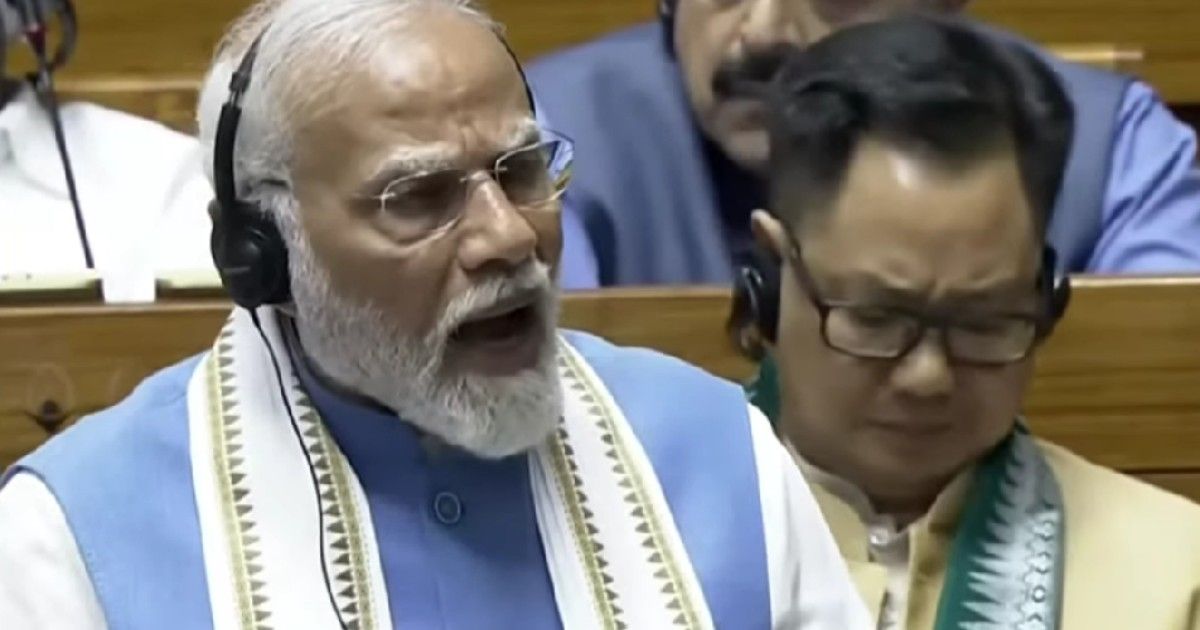
Narendra Modi addressed the Rajya Sabha during the ongoing Parliament Budget Session 2026, focusing on the escalating tensions in the Middle East. The Prime Minister highlighted India’s position on the conflict, emphasizing peace, stability, and the protection of national interests.
The address comes amid growing global concern over the situation, which has significant implications for energy markets, trade routes, and geopolitical stability.
Key Highlights from PM Modi’s Speech
During his address, Narendra Modi outlined several important points:
- India supports diplomatic solutions and dialogue
- Safety of Indian citizens abroad remains a top priority
- Continuous monitoring of developments in the region
- Focus on securing energy supplies and trade routes
These points reflect India’s cautious and balanced approach toward the ongoing crisis.
Focus on India’s Strategic Interests
The Middle East is a critical region for India, particularly in terms of energy imports and trade connectivity. The Prime Minister emphasized that the government is taking necessary steps to ensure that disruptions do not impact the country’s economic stability.
Narendra Modi also highlighted ongoing diplomatic engagements with global partners to maintain stability and safeguard India’s interests.
Political Reactions and Debate
The Prime Minister’s speech has drawn attention from members of Parliament, with discussions expected to follow. Opposition leaders are likely to raise questions regarding India’s preparedness and response strategy.
The issue has already sparked debate, given its potential impact on fuel prices, inflation, and overall economic outlook.
Opposition Seeks Clarity on Government Strategy
During the session, opposition leaders are expected to seek more detailed clarity on the government’s long-term strategy regarding the Middle East conflict. Questions may revolve around India’s diplomatic stance, contingency plans for evacuating citizens, and measures to manage potential economic fallout.
The discussion is likely to be intense, given the global significance of the crisis and its direct impact on India.
Impact on Fuel Prices and Economy
One of the major concerns highlighted during the debate is the possible impact on fuel prices and inflation. Any disruption in crude oil supply routes could lead to rising fuel costs, which in turn may affect transportation, manufacturing, and overall economic stability. Experts suggest that the government may consider strategic reserves and alternative sourcing options to mitigate risks.
Government’s Preparedness and Next Steps
The government is expected to outline its preparedness in handling emerging challenges, including coordination with international partners and monitoring supply chains. Officials may also emphasize readiness to take swift action if the situation escalates further, ensuring minimal disruption to India’s economy and citizens.
Why This Matters for India
The ongoing conflict in the Middle East has far-reaching consequences for India. Any disruption in oil supply or shipping routes could lead to increased costs and economic challenges.
By addressing the Rajya Sabha, Narendra Modi aimed to reassure citizens and stakeholders about the government’s proactive approach.
LIVE Updates Expected
As the Parliament session continues, more updates are expected from the discussion. Key announcements or policy measures may emerge as the government outlines its strategy in greater detail.
The situation remains dynamic, and India’s response will continue to evolve based on developments in the region.
Also read: Sensex Nifty Closing March 24: Sensex Up 1,372 Points, Nifty Ends at 22,912
Add News Vent as a preferred source on Google – Click Here
Last Updated on: Tuesday, March 24, 2026 5:41 pm by Koushik Velpuri | Published by: Koushik Velpuri on Tuesday, March 24, 2026 5:41 pm | News Categories: Politics
About The Author