
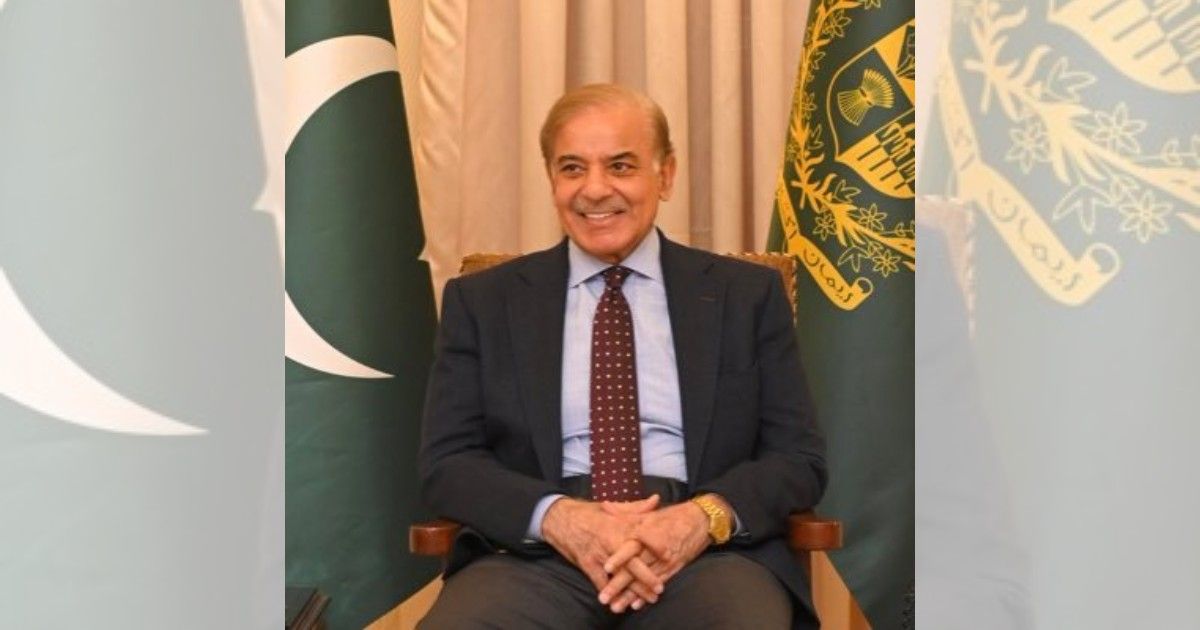
Pakistan Prime Minister Shehbaz Sharif has said the ongoing US-Iran conflict is causing significant economic strain on Pakistan, revealing that the country’s weekly oil import bill has surged to $800 million, up sharply from around $300 million before the conflict. He described the rise as a major blow to Pakistan’s recent economic recovery efforts.
Key Highlights
- Pakistan’s weekly oil import bill rises to $800 million
- Pre-conflict oil bill was around $300 million
- Shehbaz says war has hurt Pakistan’s economic progress
- Government monitoring situation through dedicated task force
- Rising fuel costs increase pressure on fragile economy
Why Pakistan Is Under Pressure
Pakistan is heavily dependent on imported fuel, making it highly vulnerable to global oil price spikes. Rising crude prices directly affect:
- Import costs
- Inflation levels
- Foreign exchange reserves
- Fiscal deficit and subsidies
The surge in energy prices is particularly challenging for Pakistan given its already fragile macroeconomic position.
Government Response
Sharif said a task force is monitoring the crisis daily and evaluating measures to reduce economic pressure. Officials have also reportedly noted declining petroleum consumption, suggesting higher prices may already be affecting domestic demand.
Broader Economic Risks
Analysts warn that if elevated oil prices persist, Pakistan could face:
- Higher inflation
- Rupee depreciation pressure
- Wider current account deficit
- Increased borrowing needs
Rising Energy Costs Threaten Economic Stability
The sharp jump in Pakistan’s oil import bill highlights the country’s vulnerability to external commodity shocks. Energy imports account for a significant portion of Pakistan’s foreign exchange outflows, meaning sustained increases in crude prices can quickly destabilise fiscal and external balances.
For an economy already managing debt obligations and IMF-linked reforms, higher oil costs add another layer of pressure.
Inflation Risks Likely to Intensify
Elevated fuel prices typically feed into broader inflation across the economy because transportation and energy costs influence nearly every sector. If crude remains high, Pakistan could see further price increases in:
- Transport and logistics
- Electricity generation
- Food supply chains
- Manufacturing and industrial output
This could erode household purchasing power and deepen cost-of-living pressures.
Pressure on Foreign Exchange Reserves
A sustained rise in oil import costs may also strain Pakistan’s foreign exchange reserves, which remain closely watched by investors and lenders. Higher import bills can widen the current account deficit and increase the need for external financing or reserve drawdowns.
Currency markets often react negatively when reserve adequacy comes under pressure.
Fiscal Challenges for Government
The government may face difficult policy choices if global oil prices stay elevated. Authorities could be forced to decide between:
- Passing higher fuel costs to consumers
- Increasing subsidies to limit public pain
- Cutting spending elsewhere
- Raising additional borrowing
Each option carries economic or political trade-offs.
Broader Emerging Market Impact
Pakistan is not alone in facing pressure from higher oil prices. Many emerging-market economies that rely heavily on imported energy are experiencing similar stress, particularly those with weaker currencies or fragile fiscal positions.
However, Pakistan’s relatively limited external buffers make it more exposed than many peers.
Why the Conflict Matters Beyond Oil
Beyond direct energy costs, prolonged regional conflict can also affect trade routes, investor confidence, and remittance flows—all of which matter significantly for Pakistan’s economy. Heightened geopolitical uncertainty often discourages investment and increases borrowing costs for risk-sensitive emerging markets.
Outlook Hinges on Crude Prices
The severity of Pakistan’s economic challenge will depend largely on whether oil prices remain elevated or retreat if geopolitical tensions ease. A prolonged period of high crude could materially worsen macroeconomic conditions, while any de-escalation may offer partial relief.
Global Relevance of the Crisis
Pakistan’s warning underscores how geopolitical conflicts in energy-producing regions can quickly ripple through vulnerable import-dependent economies, amplifying inflation and financial instability far beyond the immediate conflict zone.
Image credits: X / Shehbaz Sharif
Add News Vent as a preferred source on Google – Click Here
Last Updated on: Thursday, April 30, 2026 10:17 am by Koushik Velpuri | Published by: Koushik Velpuri on Thursday, April 30, 2026 10:17 am | News Categories: Politics
About The Author