
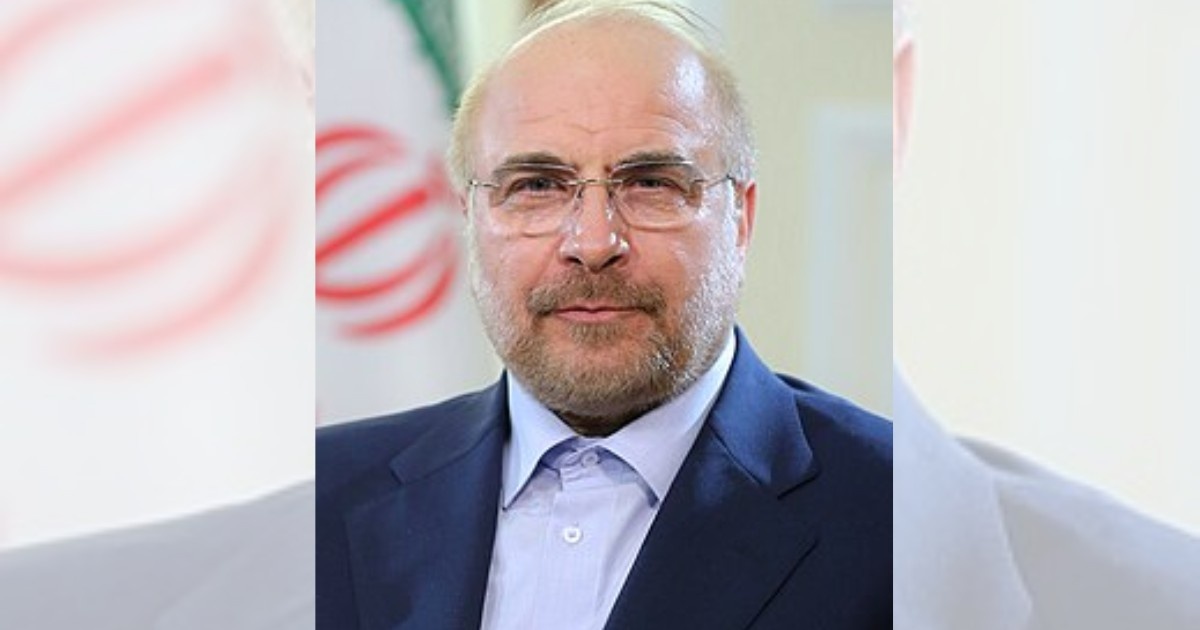
The United States and Iran are set to hold crucial peace talks in Islamabad on April 11, 2026, in what is being described as a “make-or-break” moment to end weeks of conflict in West Asia. The discussions follow a recently brokered two-week ceasefire, mediated by Pakistan, after escalating tensions involving the US, Iran, and Israel.
Key Developments So Far
- Iranian delegation led by senior officials has arrived in Islamabad
- US delegation, led by Vice President JD Vance, is en route
- Talks aim to formalise ceasefire and prevent further escalation
- Pakistan is acting as a key mediator
The negotiations come after nearly six weeks of hostilities that disrupted regional stability and global energy supplies.
What’s on the Agenda
Several contentious issues are expected to dominate the talks:
1. Sanctions Relief vs Nuclear Restrictions
The US is pushing for limits on Iran’s nuclear and missile programs, while Iran is demanding the lifting of economic sanctions.
2. Strait of Hormuz Control
Iran’s control and blockade of the Strait of Hormuz a critical global oil route remains a major sticking point affecting global energy markets.
3. Regional Conflicts, Including Lebanon
Disagreements persist over whether the ceasefire includes conflicts involving Israel and Hezbollah in Lebanon, which continue to threaten stability.
4. Military De-escalation
The US has warned of possible renewed military action if talks fail, underscoring the high stakes involved.
Why Islamabad?
Pakistan has emerged as a central mediator in the conflict, helping broker the initial ceasefire agreement earlier this week. The country is hosting the talks under tight security, reflecting the importance and sensitivity of the negotiations.
Background: How the Conflict Escalated
The current crisis stems from a broader regional conflict involving US and Israeli actions against Iran, followed by retaliatory measures from Tehran. The situation escalated further due to disruptions in oil supply routes and proxy conflicts in neighbouring regions.
A temporary ceasefire was announced on April 8, but violations and disagreements have kept tensions high.
Global Impact
- Oil prices and global energy supply remain volatile
- Shipping disruptions in the Strait of Hormuz continue
- Regional instability affecting Middle East geopolitics
The outcome of these talks could have far-reaching consequences for global markets and security.
What Happens Next
Diplomatic observers say the talks will determine whether:
- A long-term peace agreement can be reached
- The ceasefire can be extended or expanded
- Hostilities could resume if negotiations fail
Analysts describe the meeting as a critical turning point that could either stabilise the region or trigger renewed conflict.
Conclusion
The US-Iran peace talks in Islamabad represent a pivotal moment in the ongoing West Asia crisis. With major geopolitical and economic stakes involved, the outcome of these negotiations will be closely watched worldwide.
Whether the talks lead to lasting peace or renewed tensions will depend on how both sides navigate deep-rooted disagreements in the coming hours.
Also read: DC vs CSK IPL 2026: KL Rahul likely OUT, Prithvi Shaw set for return; predicted DC playing XI vs CSK
Add News Vent as a preferred source on Google – Click Here
Edited by – Koushik VVS
Last Updated on: Saturday, April 11, 2026 10:42 am by Koushik Velpuri | Published by: Koushik Velpuri on Saturday, April 11, 2026 10:42 am | News Categories: Politics
About The Author