

Global entertainment icons Madonna, Shakira, and BTS are reportedly set to headline the first-ever halftime show at a FIFA World Cup final, with British band Coldplay said to be curating the landmark entertainment spectacle. The move signals FIFA’s push to further blend global sport with mass entertainment in a format long associated with major American sporting events.
The development could mark a major shift in how football’s biggest global event is packaged for audiences worldwide.
FIFA Expands Entertainment Strategy
The introduction of a halftime entertainment spectacle at the World Cup final reflects a broader trend of sports organisations expanding beyond competition into large-scale entertainment experiences. Global sporting events increasingly combine live performance, celebrity appeal, and digital engagement to maximise audience reach.
Star Power Brings Global Appeal
The inclusion of globally recognised artists from different regions reflects a deliberate effort to appeal to diverse international audiences.
The reported lineup brings:
- Western pop appeal
- Latin music influence
- K-pop global fandom
- Cross-generational audience reach

Image from: X / Shakira
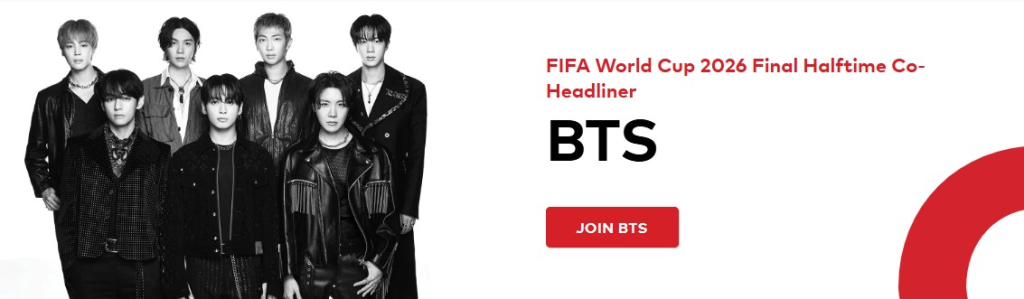
Image from: X / BTS_ARMY
This kind of multi-market entertainment strategy can significantly expand engagement.
Why This Matters for FIFA
Football remains the world’s most watched sport, and FIFA’s commercial ecosystem continues evolving through sponsorship, broadcasting, fan engagement, and entertainment innovation.
A halftime show format could support:
- Global viewership growth
- Social media amplification
- Commercial sponsorship value
- Cross-cultural audience engagement
- Event branding expansion
Entertainment and Sports Continue to Converge
Major sports leagues and event organisers increasingly view entertainment programming as a strategic growth tool rather than merely supplementary content.
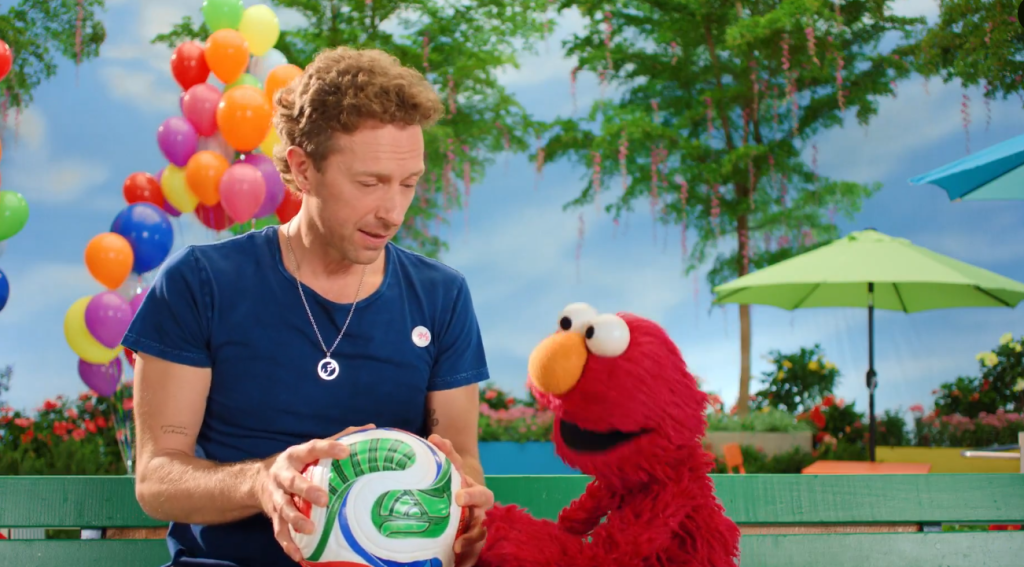
Image from: X / ColdPlay
Celebrity performances often generate substantial digital traction and mainstream media visibility.
Commercial Significance Could Be Major
A high-profile halftime show could create fresh monetisation opportunities through sponsorship integrations, digital content distribution, branded experiences, and expanded audience engagement.
Outlook
If confirmed, the World Cup final halftime show could become one of the most watched entertainment performances globally, reshaping expectations around football’s biggest stage.
While many fans may welcome entertainment innovation, traditional football audiences could also debate whether such additions align with the sport’s long-standing culture and match-day traditions.
Key Insights
- The reported move reflects the increasing convergence of global sports, entertainment, and commercial media ecosystems.
- FIFA may be seeking to emulate proven entertainment-driven audience engagement models while adapting them for football’s global audience.
- Cross-market artist selection suggests a deliberate strategy to maximise international cultural reach.
- If successful, halftime entertainment could become a recurring commercial and branding feature at future marquee football events.
Image credits: X / Madonna
Also read: Smithsonian Exhibition to Mark 250 Years of US Independence with Historic Showcase
Add News Vent as a preferred source on Google – Click Here
Last Updated on: Thursday, May 14, 2026 11:49 am by Koushik Velpuri | Published by: Koushik Velpuri on Thursday, May 14, 2026 11:49 am | News Categories: Entertainment
About The Author