
The Uttarakhand government has approved an increase in dearness allowance (DA) for state employees while also clearing development projects worth ₹50 crore, combining employee welfare measures with public infrastructure and development spending. The decisions are expected to have implications for household incomes, state expenditure, and local development momentum.
The move reflects a dual policy approach focused on administrative welfare and public investment.
DA Hike Approved for State Employees
The increase in dearness allowance is expected to provide financial relief to government employees by partially offsetting inflation-related cost pressures. DA revisions are commonly linked to changes in inflation and cost-of-living conditions.
The decision could positively affect:
- State government employees
- Pension-linked beneficiaries (if applicable)
- Household spending sentiment
- Consumer demand
₹50 Crore Development Projects Cleared
Alongside the employee welfare decision, the government approved development works worth ₹50 crore, signalling continued public spending on infrastructure and state-level project execution.
Such projects may potentially support:
- Local infrastructure development
- Public service improvements
- Regional economic activity
- Employment generation through project execution
Employee Welfare Measure May Support Household Spending
The dearness allowance increase is likely to provide some financial relief to state government employees facing continued cost-of-living pressures. Since DA revisions are designed to partially offset inflation, the move may improve disposable income for eligible households, potentially supporting local consumer spending in sectors such as retail, services, education, and household consumption. The broader economic effect, however, will depend on the scale of the revision and the number of beneficiaries.
Development Spending Adds Infrastructure Focus
The approval of development projects worth ₹50 crore signals continued emphasis on public infrastructure and administrative investment. Such spending can contribute to improvements in civic facilities, regional connectivity, public services, and local economic activity if implemented efficiently.
Infrastructure-related approvals also often create indirect employment opportunities during project execution through construction, supply chains, and service support.
Fiscal Management Will Be Closely Watched
While welfare spending and development investment can generate positive economic effects, they also require careful fiscal management. State governments must balance employee-related expenditure commitments with capital spending priorities, revenue considerations, and long-term budget discipline.
Analysts and policy observers may monitor how these commitments align with the state’s broader fiscal planning.
Governance Execution Remains Key
The long-term significance of the announcements will depend less on approval decisions alone and more on timely implementation, transparent fund utilisation, and measurable public outcomes, particularly in infrastructure delivery and administrative welfare execution.
Economic and Fiscal Implications
The combined decisions may have both welfare and fiscal implications.
Key areas to watch:
- State expenditure impact
- Budget allocation management
- Consumer spending effects
- Development execution timelines
- Public investment efficiency
Why This Matters
Government salary-related decisions can influence household liquidity and local economic activity, while development approvals contribute to infrastructure growth and economic momentum.
Attention will now shift to implementation timelines, project execution progress, and the broader fiscal impact of the state government’s combined welfare and development decisions.
Key Insights
- The Uttarakhand government has increased Dearness Allowance (DA) for state employees, offering relief amid rising cost-of-living pressures.
- The decision is expected to benefit government staff and pensioners, improving disposable income and boosting morale.
- Alongside the DA hike, development projects worth ₹50 crore have been approved, signaling continued focus on infrastructure and regional growth.
- The projects are likely to target key sectors such as local infrastructure and public services, though specific allocations may vary by department.
- The combined move reflects a dual policy approach, balancing employee welfare with capital expenditure priorities.
- Implementation timelines and project execution will be closely watched, particularly for their impact on local development and fiscal management.
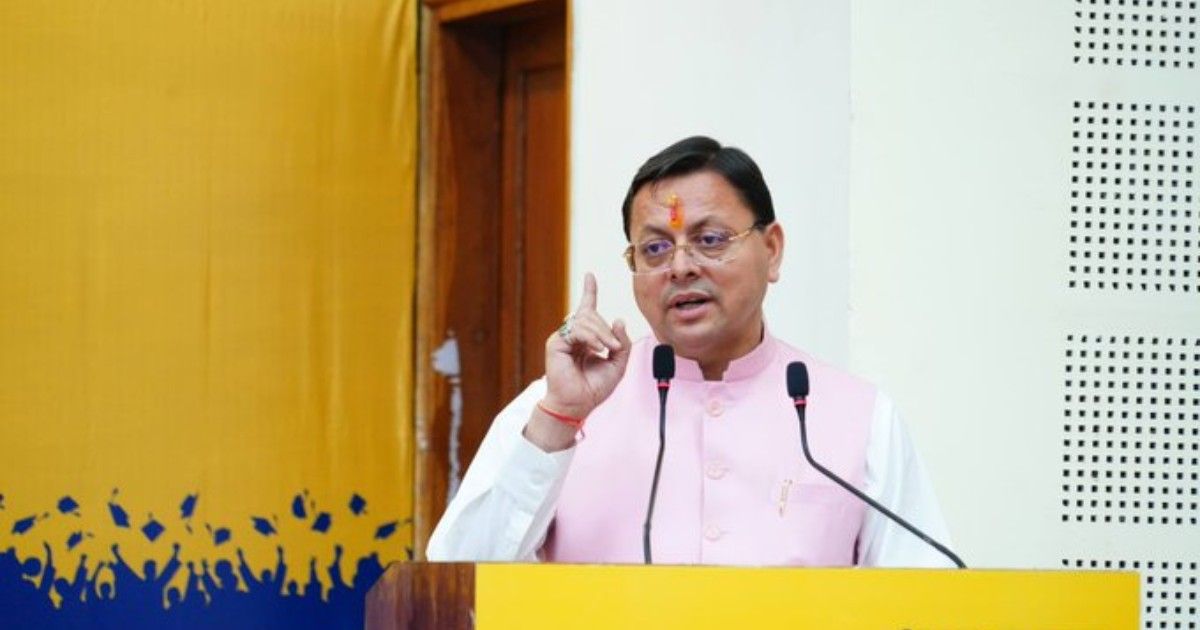
Image credits: X / Pushkar Singh Dhami
Add News Vent as a preferred source on Google – Click Here
Last Updated on: Monday, May 18, 2026 11:29 am by Koushik Velpuri | Published by: Koushik Velpuri on Monday, May 18, 2026 11:29 am | News Categories: News, India
About The Author