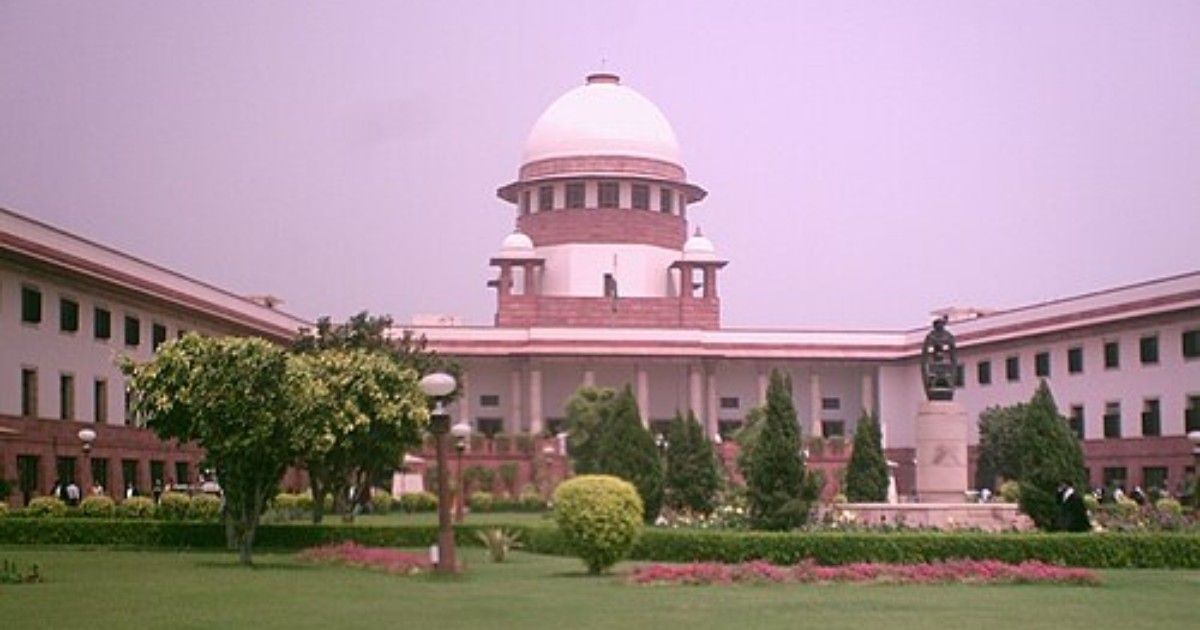
The Supreme Court is set to review issues surrounding the CBSE three-language policy following concerns related to student academic burden, implementation challenges, and availability of educational resources. The development has brought fresh attention to one of the most debated aspects of school education policy in India.
The case is expected to trigger wider discussion around curriculum structure, educational equity, language access, and policy practicality.
What the Three-Language Policy Involves
The three-language framework generally aims to encourage multilingual learning by requiring students to study multiple languages during their school education.
The broader objectives often include:
- Linguistic diversity promotion
- National integration goals
- Regional language inclusion
- Multilingual skill development
However, implementation approaches and practical challenges have frequently generated debate.
Why Concerns Are Being Raised
The review reportedly involves concerns around whether the policy may place excessive academic pressure on students and whether schools have adequate infrastructure and teaching support for smooth implementation.
Key concerns include:
- Increased student workload
- Teacher availability
- Language resource limitations
- Curriculum complexity
- Regional implementation disparity
- Administrative feasibility
Resource Availability in Focus
One major issue in language policy implementation is whether schools especially in smaller towns and rural regions possess sufficient:
- Qualified language teachers
- Learning materials
- Training infrastructure
- Institutional support
Debate Around Academic Pressure Likely to Grow
The Supreme Court’s review may further intensify ongoing discussions about academic stress and curriculum load in school education. Many parents and education experts have increasingly raised concerns that students already face significant pressure from examinations, competitive preparation, and extensive coursework.
Adding additional language requirements without adequate support systems may be viewed by some as increasing the overall learning burden, particularly for younger students.
Regional and Practical Challenges Under Scrutiny
Implementation of language policies across India can be highly complex because educational infrastructure, teacher availability, and linguistic diversity vary significantly between regions.
Schools in smaller towns or resource-constrained areas may struggle to provide qualified instructors for multiple language options, creating concerns around educational inequality and practical feasibility.
Broader Education Policy Implications
The case may also influence wider conversations surrounding the balance between multilingual education and manageable curriculum design. Policymakers often aim to preserve linguistic diversity while ensuring that students are not overwhelmed academically.
The outcome of the review could shape future discussions on curriculum flexibility, student well-being, and the role of language education within India’s evolving school system.
Education Policy Debate Intensifies
Language education remains one of the most sensitive and widely discussed areas of Indian education policy because it intersects with:
- Regional identity
- Educational access
- Curriculum balance
- Academic stress concerns
- National education goals
The matter is likely to attract strong responses from educators, parents, policy experts, and state stakeholders as legal review and educational policy discussions continue.
Key Insights
- The Supreme Court of India has agreed to examine concerns surrounding the Central Board of Secondary Education’s three-language policy, following petitions questioning its impact on students.
- Petitioners have argued that the policy may increase academic burden, particularly for students already managing multiple core subjects.
- The court is expected to assess whether the policy aligns with constitutional principles, educational fairness, and student welfare.
- The issue ties into the broader framework of the National Education Policy (NEP), which promotes multilingual learning but has sparked debate over implementation challenges.
- Concerns have also been raised about regional language preferences, curriculum load, and standardisation across states.
- The proceedings could have significant implications for school curricula, language requirements, and education policy nationwide.
- Further hearings are likely to shape how language education is balanced with student well-being and academic flexibility in India’s schooling system.
Image credits: Wikipedia
Also read: Petrol Diesel Prices Today: Fuel Rates Stay Elevated on May 28 Across Major Indian Cities
Add News Vent as a preferred source on Google – Click Here
Last Updated on: Thursday, May 28, 2026 10:06 am by Koushik Velpuri | Published by: Koushik Velpuri on Thursday, May 28, 2026 10:06 am | News Categories: Education
About The Author