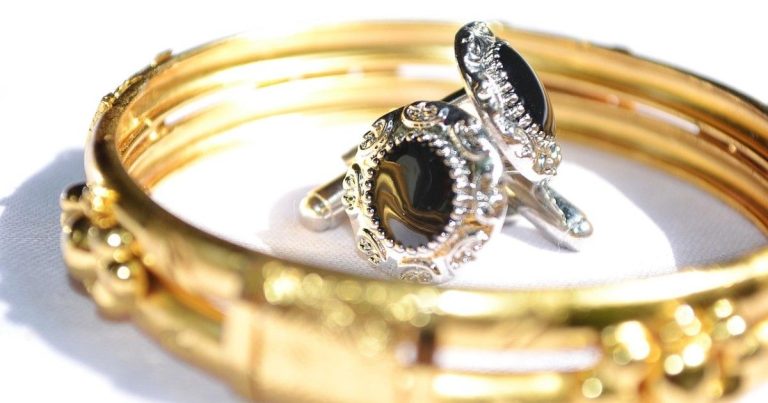
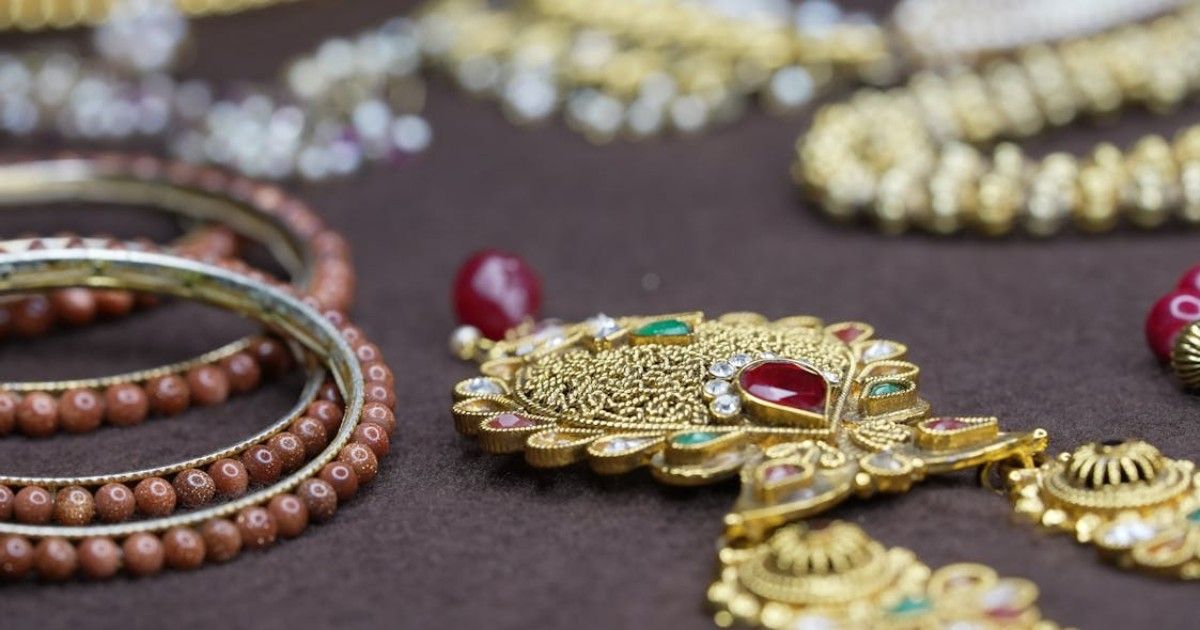
With gold prices trading near record highs, many people are considering selling old gold jewellery to take advantage of attractive market rates. However, what many sellers don’t realize is that the amount they receive is often significantly lower than the headline gold price due to several hidden deductions applied during the valuation process.
Understanding these deductions can help you negotiate better and maximize the value of your gold before walking into a jewellery store or gold-buying centre.
1. Stone and Gemstone Weight Deduction
One of the most common deductions occurs when jewellery contains stones, diamonds, pearls, or other decorative elements.
Most buyers will:
- Remove the weight of stones
- Value only the gold content
- Deduct embedded materials from the total weight
In some cases, stones are not purchased at all and are returned to the customer. If the stone weight is substantial, the final payout can be significantly lower than expected.
2. Purity Adjustment Charges
The gold price quoted in newspapers and financial markets usually refers to 24-karat gold. However, most jewellery is made using:
- 22K gold
- 18K gold
- 14K gold
Buyers first assess the actual purity of the jewellery and then calculate its value accordingly.
For example:
- 22K gold contains about 91.6% pure gold
- 18K gold contains about 75% pure gold
This purity adjustment often surprises first-time sellers who expect payment based on the prevailing 24K market rate.
3. Melting and Refining Losses
Many gold buyers apply deductions for melting and refining processes required to recover pure gold from jewellery.
These deductions may be justified as covering:
- Refining expenses
- Processing costs
- Handling losses
- Assaying charges
The percentage varies between buyers, making it important to compare offers before selling.
4. Testing and Valuation Charges
Some establishments charge fees for testing gold purity using machines such as XRF analyzers or other assessment methods.
Potential deductions may include:
- Evaluation fees
- Assaying costs
- Administrative charges
- Processing expenses
Reputed buyers often provide testing free of charge, but customers should confirm this beforehand.
5. Buyback Policy Differences
Not all jewellers offer the same buyback value.
Generally:
- Jewellery purchased from the same brand may receive higher value
- Bills and purchase records may improve offers
- Non-branded jewellery may attract larger deductions
- Old or damaged jewellery may receive lower valuations
Comparing multiple buyers can often result in significantly better payouts.
How to Get the Best Price for Your Gold
Before selling, consider these practical tips:
Check Today’s Gold Rate
Always verify the latest market price before visiting a buyer.
Use Hallmarked Jewellery
Hallmarked gold generally receives better valuation because purity can be verified more easily.
Carry Original Bills
Purchase invoices can strengthen your bargaining position.
Compare Multiple Quotes
Different buyers may offer significantly different prices for the same jewellery.
Ask for a Detailed Breakdown
Request a written explanation of:
- Weight calculation
- Purity assessment
- Deductions applied
- Final payout amount
Transparency helps avoid unpleasant surprises.
Why Gold Sellers Need to Be Careful
As gold prices remain elevated, more consumers are entering the market to liquidate old jewellery. While the opportunity can be attractive, hidden deductions can reduce realized value by a meaningful margin.
Financial advisors recommend understanding every component of the valuation process and avoiding rushed decisions based solely on advertised gold rates.
Key Highlights
- Selling gold jewellery can result in lower-than-expected payouts due to multiple hidden deductions applied by buyers.
- One of the biggest cuts comes from purity testing and melting losses, where impurities and design elements reduce the net gold weight.
- Buyers often deduct making charges, which are not recovered during resale despite being paid at the time of purchase.
- Additional reductions may include refining charges and service fees, further lowering the final value offered.
- Gold is typically valued based on current market rates adjusted for purity (karat value), not the original purchase price.
Image source: Pexels
Add News Vent as a preferred source on Google – Click Here
Last Updated on: Tuesday, June 2, 2026 11:08 am by Koushik Velpuri | Published by: Koushik Velpuri on Tuesday, June 2, 2026 11:08 am | News Categories: Business
About The Author