After weeks of escalating conflict in the Middle East, the United States and Iran have agreed to a two-week ceasefire, offering a pause in hostilities that have disrupted global markets and heightened geopolitical risks. The agreement comes at a critical moment, just hours before a deadline set by the U.S. for potential large-scale military action.
Ceasefire Agreement: What We Know
The ceasefire, reportedly mediated by regional actors including Pakistan, is conditional and time-bound.
Key Points:
- A two-week pause in military operations between the U.S. and Iran
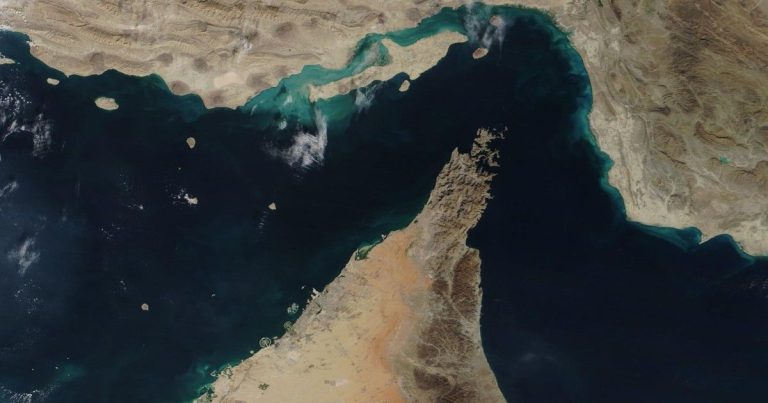
- Iran to ensure safe passage through the Strait of Hormuz, a vital oil route
- Both sides to engage in further negotiations toward a long-term deal
The Strait of Hormuz is a critical global chokepoint, handling nearly 20% of the world’s oil supply, making its reopening a major factor behind the agreement.
Trump’s Statement: “Big Day for World Peace”
President Donald Trump described the development as a breakthrough moment.
- Called the ceasefire a “big day for world peace”
- Claimed progress toward a broader agreement
- Suggested economic benefits and reconstruction efforts could follow
He also indicated that the U.S. would help stabilise shipping traffic in the Strait of Hormuz and support regional recovery efforts.
Situation on the Ground Remains Fragile
Despite the ceasefire announcement, tensions have not fully subsided.
- Missile exchanges were reported shortly after the agreement
- Israel clarified that the ceasefire does not extend to operations in Lebanon
- Regional instability continues with sporadic violence
This suggests that while the ceasefire is a positive step, it is far from a comprehensive peace agreement.
Background: Weeks of Escalation
The ceasefire follows nearly six weeks of intense conflict involving the U.S., Iran, and Israel.
- Thousands of casualties reported across the region
- Major disruptions to oil supply routes
- Rising global economic and geopolitical concerns
The conflict was fueled by longstanding tensions over Iran’s nuclear program, regional influence, and security concerns.
Global and Market Reactions
The announcement of the ceasefire has triggered immediate reactions worldwide.
Diplomatic Response:
- Several countries welcomed the move but urged sustained dialogue
- Mediation efforts by countries like Pakistan, Turkey, and Egypt were acknowledged
Market Impact:
- Oil prices dropped sharply
- Global stock markets showed gains
- Investors responded positively to reduced geopolitical risk
What Happens Next?
The ceasefire is being viewed as a confidence-building measure rather than a final resolution.
- Talks are expected to continue in Islamabad
- Iran has proposed a 10-point peace plan
- Key issues like nuclear policy and sanctions remain unresolved
Analysts caution that the success of the ceasefire will depend on compliance from all parties and progress in negotiations.
Why This Matters
The ceasefire has significant global implications:
- Energy markets: Stability in oil supply routes
- Geopolitics: Reduced immediate risk of wider war
- Economy: Improved investor confidence
However, the situation remains highly sensitive, and any breakdown could quickly escalate tensions again.
Conclusion
While the U.S.-Iran ceasefire marks a critical pause in hostilities, the path to lasting peace remains uncertain. President Trump’s description of the moment as a “big day for world peace” reflects optimism, but ongoing regional tensions highlight the fragility of the current situation.
For now, the world watches closely as diplomatic efforts continue and the Middle East navigates a delicate phase of de-escalation.
Also read: Shah Rukh Khan not part of Rajinikanth’s Jailer 2, actor focuses on King
Add News Vent as a preferred source on Google – Click Here
Edited by – Koushik VVS
Last Updated on: Wednesday, April 8, 2026 11:35 am by Koushik Velpuri | Published by: Koushik Velpuri on Wednesday, April 8, 2026 11:35 am | News Categories: Politics
About The Author