
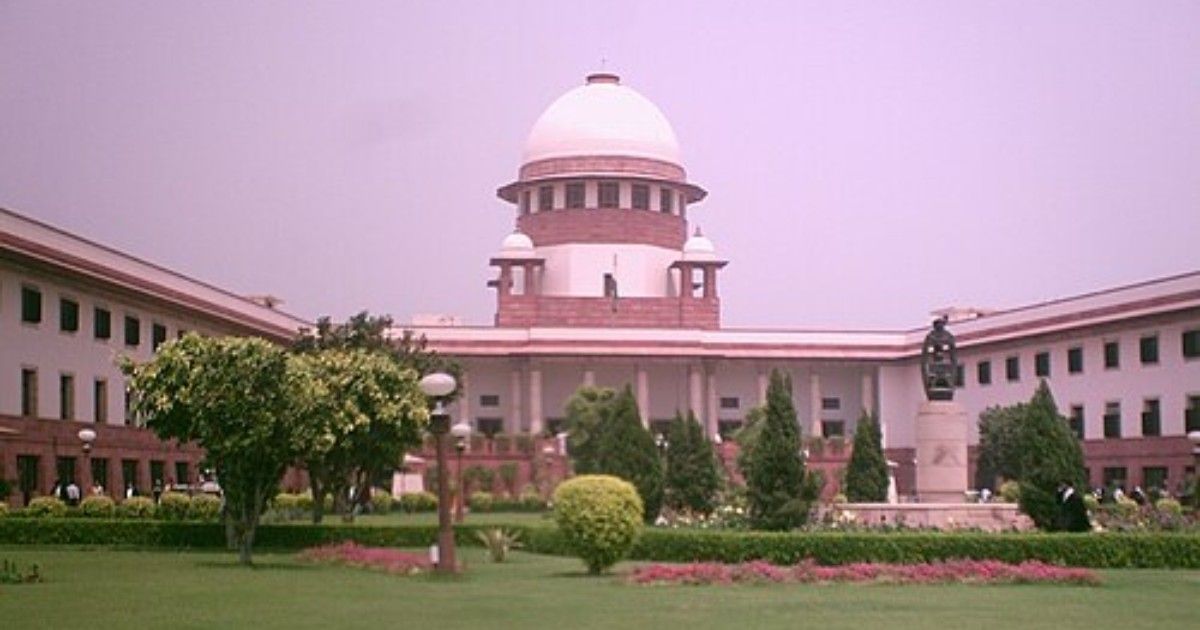
The Supreme Court of India has modified an earlier order in the ongoing NCERT book-related case involving three academics, marking a fresh legal development in a matter that has drawn attention over academic freedom, education policy, and judicial oversight. The latest order shifts focus back onto the legal interpretation and procedural aspects of the case.
The development is likely to be closely followed by legal observers, academic communities, and education policy stakeholders.
Supreme Court Revisits Earlier Direction
The apex court’s modification of its previous order indicates an important procedural development in the case. While the exact implications will depend on the revised legal direction, such modifications can materially affect the trajectory of ongoing litigation.
The case has attracted broader interest because it intersects with education-related public debate.
Why the Matter Matters
The issue touches on several sensitive public-interest themes, including:
- Academic freedom
- Educational content oversight
- Judicial review
- Legal procedure
- Public institutional accountability
- Education governance
Education and Legal Communities Watching Closely
Cases involving academic institutions, curriculum-related disputes, or public intellectuals often generate wider debate because of their relevance to education policy and institutional autonomy.
Legal observers typically focus on:
- Scope of judicial intervention
- Procedural fairness
- Interpretation of prior orders
- Impact on involved parties
Legal and Academic Attention Likely to Intensify
The Supreme Court’s latest intervention is likely to renew attention from legal experts, academic institutions, and education policy observers tracking the case. Matters involving academic discourse, institutional processes, and public education bodies often generate wider interest because they intersect with questions of governance, legal accountability, and procedural fairness.
Procedural Developments Can Influence Case Direction
In complex legal matters, modifications to earlier court orders can significantly influence how proceedings move forward, including the legal position of involved parties, timelines, and interpretive scope.
Judicial clarifications or revisions often become important because they may reshape the practical course of litigation without necessarily resolving the broader underlying dispute immediately.
Education Governance Remains a Sensitive Policy Area
Cases connected to educational institutions and curriculum-related matters frequently attract public scrutiny due to their broader social relevance. Debates around academic processes, public institutional oversight, and governance mechanisms often extend beyond the courtroom into wider public discussion.
Broader Implications May Emerge
Depending on future proceedings, the case may contribute to broader legal conversations around procedural safeguards, institutional accountability, and the relationship between public educational bodies and judicial oversight.
Observers are likely to closely monitor subsequent hearings for greater clarity on the implications of the modified order.
Broader Institutional Context
The NCERT-related legal matter also reflects how education governance questions increasingly intersect with constitutional and judicial processes in India.
Further proceedings and legal clarification are likely to determine the practical significance of the modified order and its impact on the ongoing dispute.
Key Insights
- The Supreme Court of India has modified its earlier order in the ongoing controversy related to NCERT textbooks and academic content.
- The case involves three academics, with the court revisiting aspects of its previous directions amid legal and academic concerns.
- The development stems from a broader dispute linked to NCERT and issues surrounding curriculum changes and content revisions.
- The court’s intervention reflects judicial scrutiny over academic freedom, institutional processes, and due procedure in educational matters.
- Legal proceedings indicate a balanced approach, with the court reassessing earlier observations without overturning the case entirely.
- The row has drawn attention from the academic community, highlighting concerns around scholarly independence and textbook governance.
- Further hearings and clarifications are expected, which could shape the framework for handling curriculum-related disputes in India.
Image credits: Wikipedia
Also read: Severe Heatwave Alert for Telangana: Extreme Conditions Forecast Across Multiple Districts
Add News Vent as a preferred source on Google – Click Here
Last Updated on: Friday, May 22, 2026 3:49 pm by Koushik Velpuri | Published by: Koushik Velpuri on Friday, May 22, 2026 3:49 pm | News Categories: Education, News
About The Author