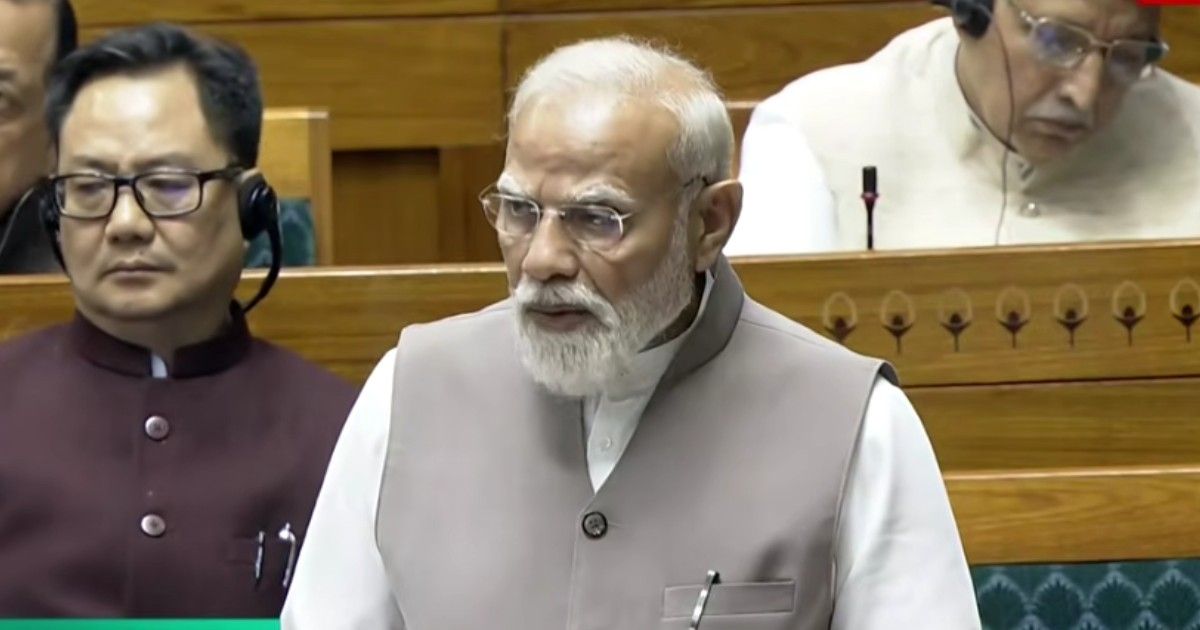
Narendra Modi delivered a crucial address in the Lok Sabha today, outlining India’s position on the escalating West Asia conflict. With global tensions rising and economic risks increasing, his speech focused on diplomacy, national interest, and safeguarding India’s future.
Here are 10 key statements from the Prime Minister’s speech and what they mean for India:
1. “India stands for peace, not escalation.”
This statement reinforces India’s long-standing diplomatic stance of promoting dialogue over conflict. It signals that India will avoid taking sides militarily and instead push for peaceful resolution through international cooperation.
2. “The safety of Indian citizens abroad is our top priority.”
With thousands of Indians living and working in West Asia, this statement highlights the government’s focus on evacuation plans, embassy support, and real-time monitoring of the situation to ensure their safety.
3. “We are closely monitoring developments round the clock.”
This indicates that the government is actively tracking the situation and is prepared to respond quickly to any sudden escalation that could impact India.
4. “India’s energy security remains a critical concern.”
Given India’s heavy reliance on oil and gas imports from the region, this statement underlines the government’s efforts to secure uninterrupted supply and manage potential disruptions.
5. “We are engaging with global partners to maintain stability.”
This reflects India’s diplomatic outreach and coordination with major global powers to ensure stability in international markets and geopolitical balance.
6. “Our economy is resilient, but we remain cautious.”
Here, Narendra Modi acknowledged potential economic challenges such as rising fuel prices and inflation, while also reassuring that India’s economy is strong enough to handle shocks.
7. “Any disruption in key trade routes will be closely addressed.”
This refers to strategic chokepoints like the Strait of Hormuz, which are vital for global energy supply. India is preparing contingency plans to mitigate risks to trade and logistics.
8. “We will take all necessary steps to protect India’s interests.”
A strong message indicating that the government is ready to act decisively
whether diplomatically or economically to safeguard national interests.
9. “Global conflicts affect every nation, including India.”
This statement emphasizes the interconnected nature of today’s world, where regional conflicts can have far-reaching consequences on economies and societies worldwide.
10. “India will continue to be a voice for stability and dialogue.”
The Prime Minister concluded by reaffirming India’s role as a responsible global player advocating peace, stability, and constructive engagement.
What This Means for India
The address by Narendra Modi clearly outlines a balanced approach prioritizing peace while preparing for potential economic and strategic challenges.
From ensuring the safety of citizens to securing energy supplies and maintaining diplomatic ties, India’s strategy appears focused on stability and resilience.
Outlook
As the West Asia conflict continues to evolve, India’s response will remain under close watch. The government’s proactive stance and emphasis on preparedness suggest that it is ready to navigate the uncertainties ahead.
For now, the Prime Minister’s statements provide a clear roadmap of India’s position one that balances caution, strength, and diplomacy in a rapidly changing global scenario.
Add News Vent as a preferred source on Google – Click Here
Last Updated on: Monday, March 23, 2026 2:42 pm by Koushik Velpuri | Published by: Koushik Velpuri on Monday, March 23, 2026 2:42 pm | News Categories: Politics
About The Author