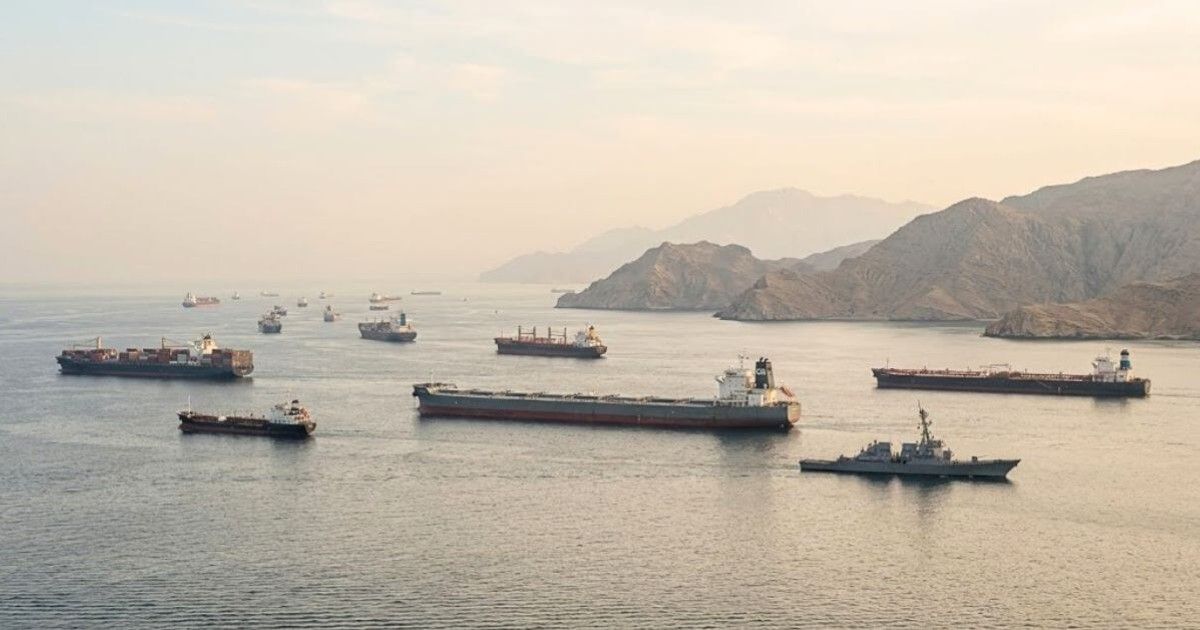
Iran has announced that it will allow the passage of “non-hostile vessels” through the strategically critical Strait of Hormuz, a key global oil transit route. The development comes amid escalating tensions in West Asia, raising cautious optimism in international shipping and energy sectors.
The move offers temporary relief to global shipping and energy markets as conflict risks continue to loom in West Asia.
Key Announcement
Iran’s decision signals a partial easing of concerns around maritime movement in the region. The Strait of Hormuz, located between Iran and Oman, handles a significant portion of global oil and gas shipments.
By permitting “non-hostile” vessels to pass, Iran appears to be aiming to avoid a complete disruption of global trade flows while maintaining its strategic stance in the ongoing geopolitical conflict.
What Does ‘Non-Hostile Vessels’ Mean?
The term “non-hostile vessels” typically refers to commercial ships that are not linked to military activity or countries directly involved in hostilities. This includes oil tankers, cargo ships, and other civilian maritime traffic.
However, the classification remains subject to interpretation, and shipping companies are expected to proceed cautiously, assessing risks before routing vessels through the strait.
Why This Matters Globally
The Strait of Hormuz is one of the world’s most critical energy chokepoints, with nearly 20% of global oil supply passing through it. Any disruption can lead to immediate spikes in crude oil prices and affect global markets.
Iran’s move reduces the immediate threat of a full-scale blockade, which could have triggered severe supply shortages and economic instability worldwide.
Impact on India and Other Importing Nations
For countries like India, which rely heavily on oil imports from the Middle East, this development provides short-term relief. Continued access to the Strait of Hormuz ensures that energy shipments can move without major interruptions.
However, uncertainty remains. Even partial restrictions or heightened security risks can increase shipping costs, insurance premiums, and ultimately fuel prices for consumers.
Ongoing Risks and Uncertainty
Despite this announcement, the situation in the region remains volatile. Military activity, geopolitical tensions, and security concerns continue to pose risks to maritime operations.
Shipping companies and governments are closely monitoring developments, with some vessels reportedly rerouting or delaying transit due to safety concerns.
Background: Strategic Importance of the Strait
The Strait of Hormuz connects the Persian Gulf with the Arabian Sea and is a vital route for oil-exporting nations such as Saudi Arabia, Iraq, and the UAE. Any instability in this region has historically had far-reaching economic consequences.
Previous tensions in the area have led to temporary disruptions, highlighting the vulnerability of global energy supply chains.
Conclusion
Iran’s decision to allow non-hostile vessels through the Strait of Hormuz offers a degree of reassurance to global markets, but the situation remains fluid. While immediate fears of a complete blockade have eased, the risk of escalation continues to hang over one of the world’s most critical trade routes.
Governments and industries worldwide will be watching closely as developments unfold in the coming days.
Also read: Iran War Impact on India Energy Crisis: Will Conflict Trigger Fuel Price Surge or Lockdown Fears?
Add News Vent as a preferred source on Google – Click Here
Last Updated on: Wednesday, March 25, 2026 1:34 pm by Koushik Velpuri | Published by: Koushik Velpuri on Wednesday, March 25, 2026 1:34 pm | News Categories: Trending, Politics
About The Author