
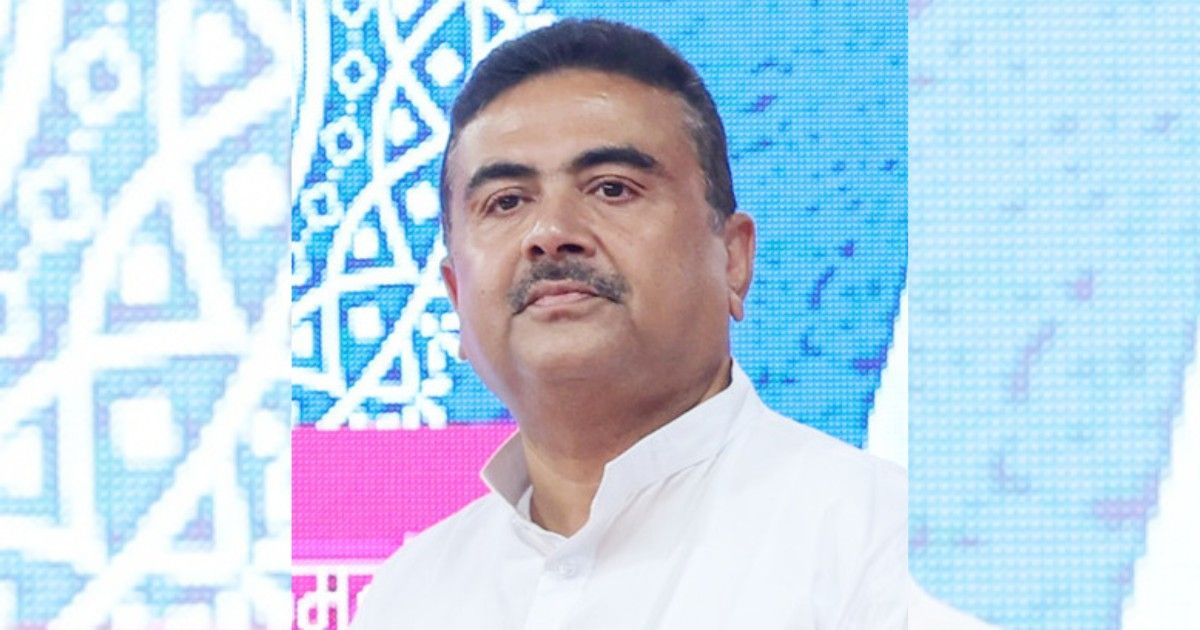
The West Bengal Assembly Election 2026 has entered a crucial phase, with several high-profile leaders contesting from key constituencies. Among the prominent names are Suvendu Adhikari and Adhir Ranjan Chowdhury, whose electoral battles are expected to shape the political narrative in the state.
With voting underway in phases, the election is witnessing intense competition between the ruling Trinamool Congress (TMC), the Bharatiya Janata Party (BJP), Congress, and Left parties.
Key Highlights
- Over 1,400 candidates contesting in the first phase across 150+ constituencies
- High-stakes battles in Nandigram, Bhabanipur, and Baharampur
- Multi-cornered contests involving BJP, TMC, Congress, and Left
- Focus on regional strongholds and shifting political loyalties
Suvendu Adhikari: BJP’s Key Face
Suvendu Adhikari remains one of the most prominent leaders in the BJP’s campaign. Currently the Leader of the Opposition in the state, he is contesting from politically significant seats such as Nandigram, a constituency that has symbolic value in Bengal politics.
Adhikari had defeated Chief Minister Mamata Banerjee in Nandigram in the 2021 elections, making him a central figure in the BJP’s strategy this time as well.
His contests this year are being closely watched as they reflect the BJP’s attempt to consolidate its presence in the state.
Adhir Ranjan Chowdhury: Congress’ Comeback Bid
Veteran Congress leader Adhir Ranjan Chowdhury is contesting from Baharampur, marking a significant return to state-level electoral politics after decades.
The Baharampur seat has turned into a triangular contest, with BJP and TMC also fielding strong candidates, making it one of the most closely watched battles.
Chowdhury’s candidature is seen as part of Congress’ effort to regain political ground in regions like Murshidabad and Malda.
Other Prominent Candidates
Apart from Adhikari and Chowdhury, several other key leaders are in the fray:
- Dilip Ghosh (BJP) contesting from Kharagpur Sadar
- Humayun Kabir contesting from Nowda
- Nishith Pramanik contesting from Mathabhanga
- Pabitra Kar (TMC) challenging Adhikari in Nandigram
These contests highlight the diversity of political competition across the state.
Context: Multi-Phase High-Stakes Election
The 2026 West Bengal Assembly elections are being held in two phases, covering all 294 constituencies.
The elections are significant as they will determine whether the TMC retains power or if the BJP can expand its footprint further. Congress and Left parties are also attempting to revive their presence.
Why These Candidates Matter
- Suvendu Adhikari’s contests represent BJP’s challenge to the ruling TMC
- Adhir Ranjan Chowdhury’s return signals Congress’ attempt at revival
- Regional leaders play a decisive role in constituency-level outcomes
The performance of these candidates could influence not only seat-level results but also the broader political balance in the state.
What Lies Ahead
With voting underway and campaigning intensifying, attention will now shift to voter turnout and alliance dynamics. Results from key constituencies like Nandigram and Baharampur are expected to offer early indicators of the overall electoral trend.
Conclusion
The West Bengal Election 2026 is shaping up to be a high-stakes contest, with prominent leaders like Suvendu Adhikari and Adhir Ranjan Chowdhury leading crucial battles. As multi-cornered contests unfold, the outcome will play a decisive role in defining the state’s political future.
Image credits: Wikipedia
Also read: Karnataka SSLC Result 2026: Date, Time and Where to Check Class 10 Scores
Add News Vent as a preferred source on Google – Click Here
Last Updated on: Thursday, April 23, 2026 9:09 am by Koushik Velpuri | Published by: Koushik Velpuri on Thursday, April 23, 2026 9:09 am | News Categories: Politics
About The Author