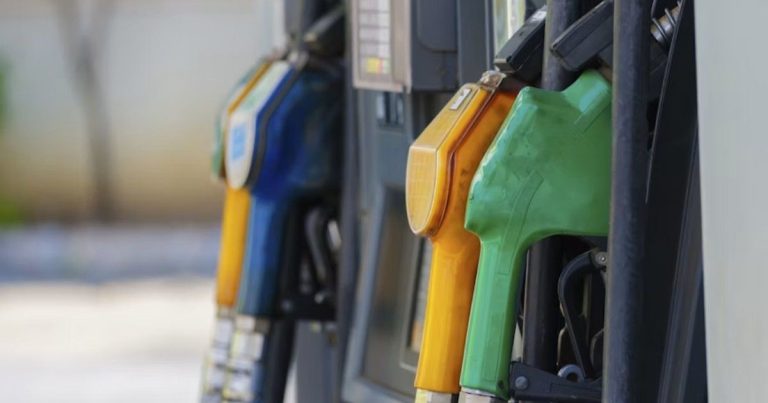
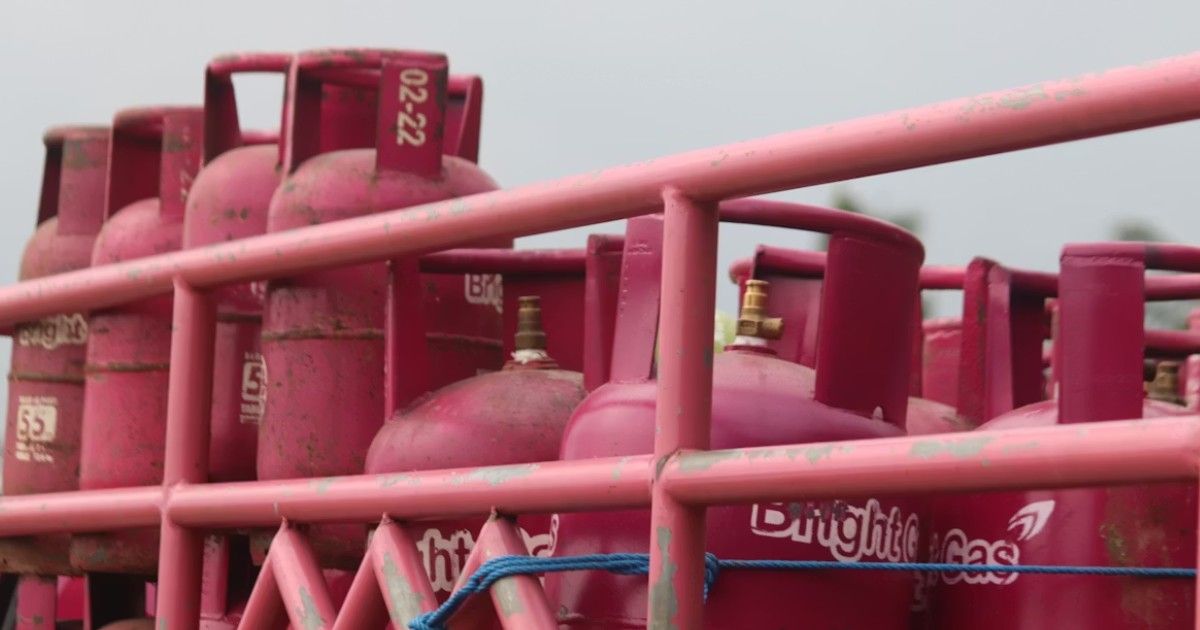
Amid rising geopolitical tensions in West Asia, the Union government led by Narendra Modi has initiated a series of precautionary measures to safeguard India’s fuel supply chain. The move comes as concerns grow over potential disruptions in global crude oil shipments and price volatility.
Officials indicated that the government is closely monitoring supplies of LPG, PNG, CNG, petrol and diesel to prevent shortages and maintain stability in domestic markets.
Key Highlights
- Government intensifies monitoring of fuel supply chains
- Focus on ensuring uninterrupted availability of LPG, CNG, PNG, petrol and diesel
- Oil companies instructed to maintain adequate stock levels
- Measures taken amid ongoing Middle East tensions
- Aim to prevent sudden price spikes and supply disruptions
What Is the Key Step Taken?
The Centre has directed public sector oil marketing companies to maintain sufficient inventory and strengthen logistics to ensure smooth fuel distribution across the country.
This includes:
- Building buffer stock of petroleum products
- Ensuring efficient supply chain management
- Reviewing import and refining operations
- Coordinating with stakeholders for uninterrupted delivery
The government is also closely tracking global oil prices and shipping routes, particularly those linked to the Middle East, a major source of India’s crude oil imports.
Why This Matters Now
India imports a significant portion of its crude oil requirements, making it vulnerable to global disruptions. Any escalation in geopolitical tensions can lead to:
- Supply chain interruptions
- Higher crude oil prices
- Increased fuel costs domestically
By taking early steps, the government aims to minimise the impact of global uncertainties on consumers and industries.
Official View
Officials stated that there is currently no immediate shortage of fuel in the country and that supply chains remain stable. However, precautionary measures are being taken to prepare for any potential disruptions.
They emphasised that oil companies have been asked to stay alert and ensure that distribution networks function without interruption.
Middle East Tensions and Energy Markets
The Middle East plays a critical role in global energy supply, with key oil-producing nations located in the region. Any instability can impact shipping routes such as the Strait of Hormuz, through which a large portion of global oil trade passes.
Recent tensions have already led to fluctuations in crude oil prices, affecting global markets and raising concerns among importing nations like India.
Impact on Consumers
For consumers, the government’s move is aimed at:
- Preventing sudden fuel shortages
- Avoiding sharp price increases
- Ensuring steady supply of cooking gas (LPG)
- Maintaining availability of transport fuels like petrol and diesel
While prices may still be influenced by global trends, these steps are expected to reduce volatility in the domestic market.
What Lies Ahead
The government is expected to continue monitoring the situation closely and may take further steps depending on how geopolitical developments unfold. Policy interventions, if needed, could include adjustments in pricing or additional supply measures.
Conclusion
The Centre’s proactive approach to managing fuel supply highlights the importance of energy security during times of global uncertainty. By strengthening stock levels and monitoring distribution, the government aims to protect both consumers and the broader economy from potential disruptions.
Add News Vent as a preferred source on Google – Click Here
Last Updated on: Thursday, April 23, 2026 9:15 am by Koushik Velpuri | Published by: Koushik Velpuri on Thursday, April 23, 2026 9:15 am | News Categories: News
About The Author