
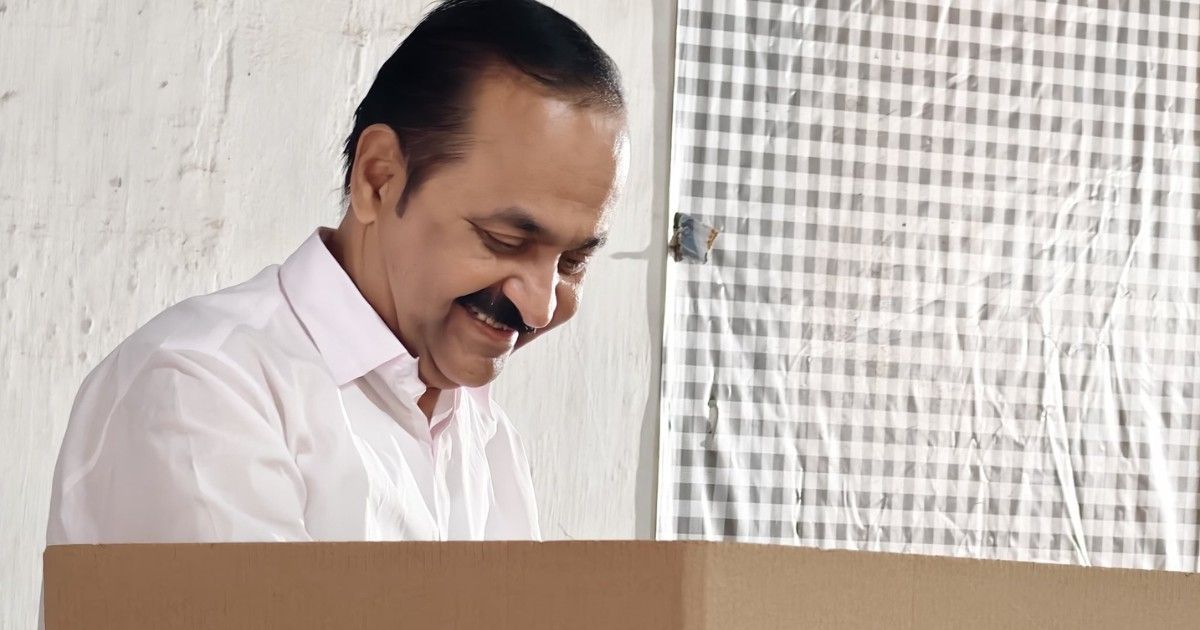
Senior Congress leader V. D. Satheesan has taken oath as Kerala’s new Chief Minister, marking the return of the United Democratic Front (UDF) to power in the state and opening a new political chapter in Kerala’s governance landscape. The swearing-in ceremony formally concludes the leadership transition after days of political anticipation and internal consultations.
The development marks a significant shift in Kerala’s political landscape, with the Congress-led alliance assuming administrative responsibility at a time when governance, economic management, and public policy execution will be under close public scrutiny.
UDF Returns to Power in Kerala
The oath-taking signals the formal transfer of administrative authority as the UDF returns to government. Political transitions of this nature are significant because they shape the state’s governance priorities, policy agenda, and administrative leadership.
The return to power also carries strategic importance for the Congress at a broader national political level.
Leadership Transition Now Complete
With the swearing-in ceremony concluded, attention is expected to move quickly toward governance execution and cabinet formation.
Immediate focus areas may include:
- Cabinet appointments
- Department allocations
- Administrative coordination
- Governance continuity
- Policy priority announcements
- Bureaucratic transition planning
Political Significance of the Change
Leadership transitions can influence:
- State policy direction
- Welfare programme priorities
- Opposition strategy
- Political messaging
- Alliance dynamics
- Public governance expectations
Cabinet Formation and Early Policy Signals in Focus
With the oath-taking ceremony completed, political and administrative attention is likely to shift toward cabinet formation, portfolio allocation, and the new government’s immediate governance priorities. Early appointments often provide important insight into how the administration intends to balance political representation, alliance coordination, and policy execution. Stakeholders across the state will closely monitor the first official decisions for indications of leadership style and strategic direction.
Public Expectations Around Governance Delivery
A new government typically faces heightened public expectations, particularly around governance efficiency, economic management, welfare delivery, infrastructure development, and public service administration. Voters often assess the initial months of a new administration as an indicator of how campaign promises may translate into practical governance outcomes.
Opposition Strategy May Also Evolve
Political transitions frequently trigger recalibration among opposition parties, which may begin shaping their response around policy performance, administrative decisions, and public communication.
The tone of early opposition engagement can influence the broader political environment in the state.
Broader Political Significance
The UDF’s return to power may also carry significance beyond Kerala, as leadership developments in politically prominent states often contribute to wider national political narratives, alliance positioning, and party momentum in future electoral discussions.
Governance Expectations Rise
New administrations often face immediate expectations around decision-making, governance efficiency, and public communication. Early policy signals are often closely watched as indicators of leadership style and administrative priorities.
Political attention will now shift from leadership transition to governance performance, cabinet formation, and the early policy agenda of the new Kerala government.
Key Insights
- V.D. Satheesan has been sworn in as Kerala Chief Minister, marking the return of the United Democratic Front (UDF) to power in the state.
- The leadership change follows the UDF’s electoral victory, ending the previous government’s tenure and shifting the political landscape in Kerala.
- Satheesan’s elevation reflects his growing prominence within the Congress-led alliance, positioning him at the forefront of governance and policy direction.
- The new government is expected to prioritize governance, economic management, and welfare delivery, key issues that shaped the electoral mandate.
- The transition signals a policy and administrative reset, with potential changes in key portfolios and decision-making approaches.
- Attention will now turn to cabinet formation and early policy moves, which will indicate the government’s immediate priorities and governance strategy.
Image credits: X / V D Satheesan
Also read: Petrol Diesel Price Today (May 18): Petrol Crosses ₹110 in Several Cities; Check Latest Fuel Rates
Add News Vent as a preferred source on Google – Click Here
Last Updated on: Monday, May 18, 2026 11:11 am by Koushik Velpuri | Published by: Koushik Velpuri on Monday, May 18, 2026 11:11 am | News Categories: Politics
About The Author