
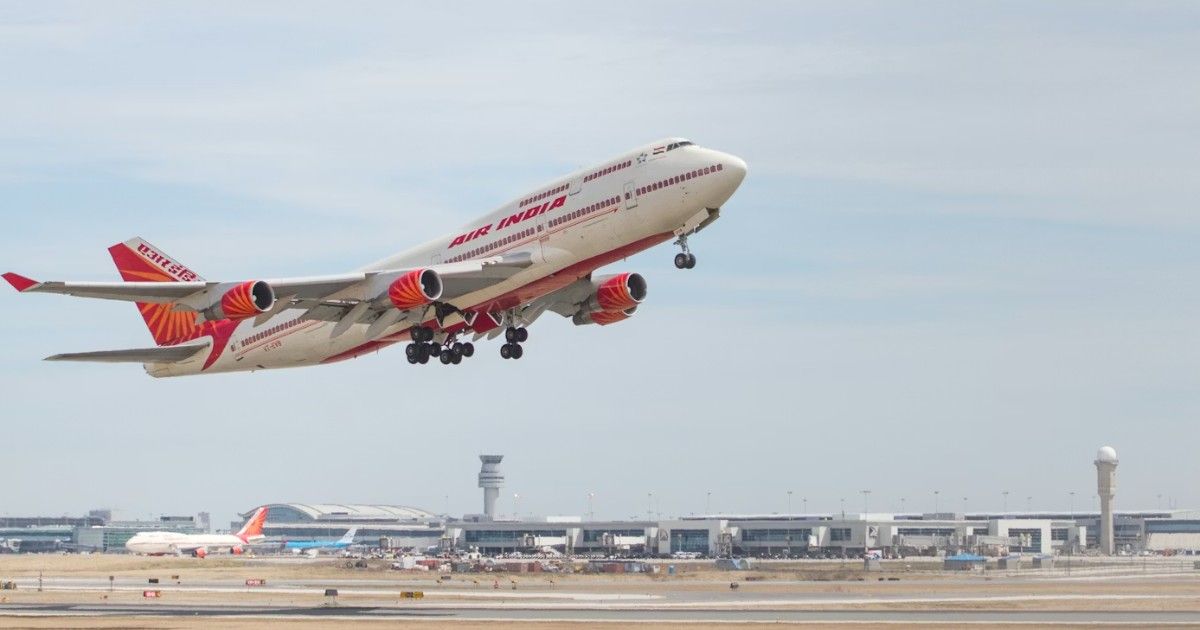
India’s flagship carrier Air India has reportedly reduced flight operations as escalating conflict in West Asia pushes up operating costs and weakens travel demand, highlighting the aviation sector’s growing vulnerability to geopolitical instability and fuel price shocks.
The move comes as airlines worldwide grapple with rising fuel expenses, airspace disruptions, route diversions, and changing passenger sentiment amid regional tensions.
Rising Fuel Costs Pressure Airline Economics
Jet fuel remains one of the largest cost components for airlines, and any sharp increase in crude oil prices can quickly strain profitability. With geopolitical tensions affecting energy markets, aviation operators are facing higher fuel bills that directly impact margins.
For airlines operating large international networks, even modest increases in fuel costs can significantly raise operating expenses.
West Asia Conflict Disrupts Aviation Planning
Conflict in strategically important regions can affect airline operations in multiple ways, including route adjustments, airspace restrictions, operational delays, and higher insurance or security-related costs.
Airlines may need to reroute aircraft to avoid sensitive zones, increasing:
- Flight duration
- Fuel consumption
- Crew costs
- Maintenance expenses
- Scheduling complexity
Travel Demand Shows Signs of Weakness
Geopolitical uncertainty often affects passenger confidence, particularly for international travel. Leisure and business travellers may postpone trips amid safety concerns, uncertain schedules, or rising fares.
Reduced demand can create additional financial pressure for airlines already dealing with elevated operating costs.
Fare Volatility Could Impact Passenger Planning
With airlines facing higher operating costs, passengers may also experience increased fare volatility across domestic and international routes. Rising fuel prices, route diversions, and reduced capacity can place upward pressure on ticket pricing, particularly on long-haul international sectors.
Travellers planning upcoming trips may need to monitor fare trends closely as airlines adjust schedules and pricing strategies.
Operational Efficiency Becomes a Key Priority
During periods of geopolitical uncertainty, airlines often focus heavily on operational efficiency to manage rising costs. Capacity optimisation, route rationalisation, aircraft utilisation planning, and cost control measures become critical for maintaining financial stability. Carriers may prioritise high-demand routes while trimming less profitable services.
Wider Industry Impact Possible
The effects of sustained regional instability may extend beyond a single airline, influencing the broader aviation ecosystem including airports, travel agencies, cargo operators, and tourism-related businesses. Prolonged disruption in international travel corridors can affect passenger volumes, scheduling reliability, and sector profitability.
Recovery Depends on Stability
Industry analysts say aviation sentiment typically improves when geopolitical risks ease and fuel markets stabilise. Until then, airlines may remain cautious in capacity planning, while passengers and businesses dependent on air connectivity continue monitoring developments that could affect schedules, fares, and travel confidence.
Why Air India’s Move Matters
As one of India’s major full-service carriers with expanding international ambitions, Air India’s operational adjustments reflect broader stress across the aviation ecosystem.
The airline’s network strategy is closely watched given its large fleet expansion and international growth plans.
Broader Impact on Aviation Sector
The current environment could affect multiple airline industry segments:
- International passenger traffic
- Cargo operations
- Ticket pricing
- Airline profitability
- Capacity planning
- Route network decisions
Indian Aviation Faces Fuel Sensitivity
Indian airlines remain particularly sensitive to fuel price volatility due to the importance of aviation turbine fuel in cost structures and the sector’s competitive pricing environment.
Currency weakness can further worsen cost pressures for fuel-import-linked expenses.
What Travellers Should Watch
Passengers may want to monitor:
- Schedule changes
- Flight cancellations
- Fare adjustments
- Travel advisories
- Route disruptions
- Refund and rebooking policies
Outlook
If geopolitical tensions persist and oil prices remain elevated, airlines may continue adjusting capacity and route strategies. Recovery in travel sentiment will likely depend on stabilisation in regional conditions and energy markets.
Image source: Unsaplsh
Also read: Stock Market Live Updates: Sensex Gains 200 Points, Nifty 50 Holds Above 23,450 in Volatile Trade
Add News Vent as a preferred source on Google – Click Here
Last Updated on: Wednesday, May 13, 2026 11:05 am by Koushik Velpuri | Published by: Koushik Velpuri on Wednesday, May 13, 2026 11:05 am | News Categories: Business
About The Author