
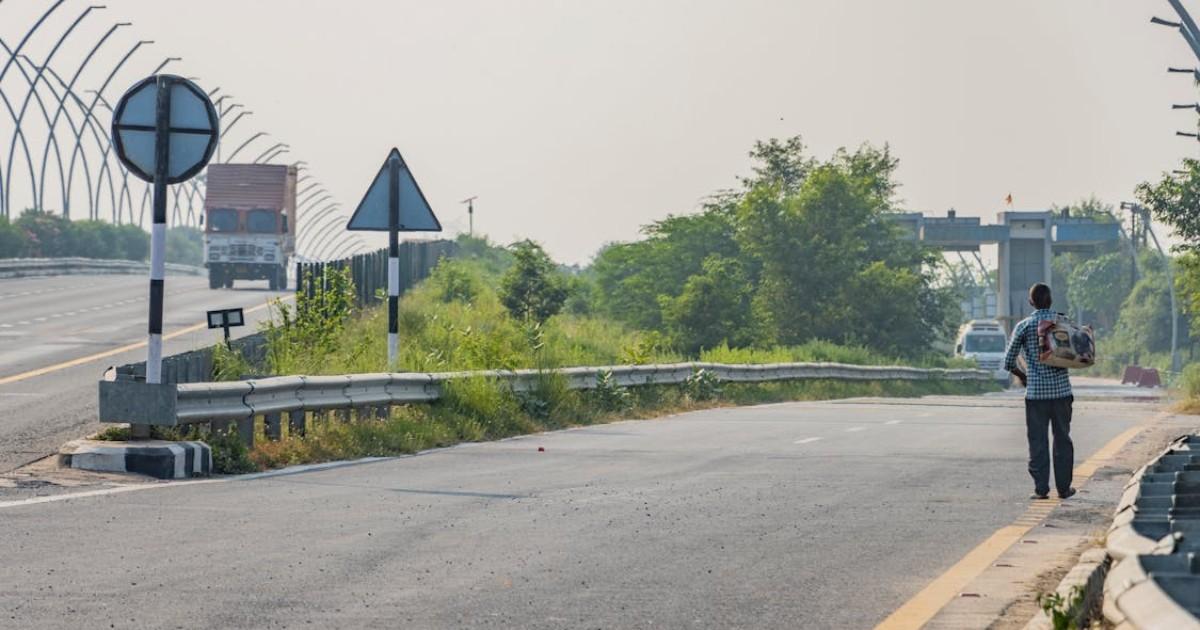
The Centre has introduced the first barrierless multi-lane free-flow toll system for the Delhi-NCR region, a move aimed at reducing congestion, cutting travel time, and modernising highway toll collection across one of India’s busiest commuter corridors.
The new tolling mechanism is designed to eliminate traditional toll booths and allow vehicles to pass through without stopping, marking a significant step in India’s transition toward automated road infrastructure.
What Is a Barrierless Toll System?
Unlike conventional toll plazas where vehicles slow down or stop for payment verification, the barrierless multi-lane free-flow system uses advanced sensors, cameras, and FASTag/RFID-based technology to automatically detect vehicles and deduct toll charges digitally while they remain in motion.
Officials say the model is expected to reduce bottlenecks, improve traffic flow, and lower fuel wastage caused by long queues at toll plazas.
How It Will Benefit Delhi-NCR Commuters
Daily commuters travelling across the Delhi-NCR region are expected to benefit in several ways:
- Reduced travel time due to uninterrupted movement
- Lower fuel consumption as idling at toll booths decreases
- Less traffic congestion near toll collection points
- Improved road efficiency during peak travel hours
The initiative is particularly significant for Delhi-NCR, where highway congestion remains a major issue for commuters and freight movement.
Part of Wider Highway Modernisation Plan
The rollout aligns with the government’s broader push to digitise toll collection and improve national highway infrastructure. Authorities have increasingly promoted FASTag-based tolling in recent years as part of efforts to reduce manual processing and improve operational efficiency.
The barrierless toll system is expected to serve as a pilot for wider implementation across other major highway corridors if successful.
Technology to Power Automated Collection
The system relies on integrated digital infrastructure including:
- Automatic Number Plate Recognition (ANPR) cameras
- FASTag readers
- Vehicle detection sensors
- Backend monitoring and enforcement systems
Officials say enforcement mechanisms will be in place to penalise vehicles without valid FASTag or payment compliance.
Why This Matters
Transport experts say multi-lane free-flow tolling represents a major infrastructure upgrade and aligns India with international tolling standards followed in several developed road networks.
If implemented effectively, the system could significantly improve highway travel efficiency in the NCR region and support broader logistics and urban mobility improvements.
Pilot Project Could Shape Future Tolling Nationwide
Officials are expected to closely monitor the Delhi-NCR rollout as a test case for broader national adoption. If the system proves effective in reducing congestion and maintaining toll compliance, similar barrierless tolling infrastructure could be introduced on other high-traffic expressways and highways across India.
Logistics Sector Likely to Benefit
The new tolling model may particularly benefit freight and logistics operators, who often face delays at toll plazas that increase transportation costs and delivery timelines. Faster highway movement can improve supply chain efficiency and reduce turnaround times for commercial vehicles.
Challenges Remain in Implementation
Despite the benefits, successful execution will depend on robust digital enforcement and high FASTag compliance. Authorities may need to address concerns around incorrect deductions, vehicle identification errors, and enforcement against non-compliant vehicles.
Shift Toward Smart Transport Infrastructure
The rollout reflects India’s broader push toward smart mobility and technology-driven transport systems. As urbanisation and vehicle ownership rise, automated tolling and intelligent traffic systems are increasingly viewed as essential to managing congestion in major metropolitan regions.
Image source: Pexels
Also read: Gujarat Leads India’s LPG Production as Supply Concerns Rise After Price Hike
Add News Vent as a preferred source on Google – Click Here
Last Updated on: Saturday, May 2, 2026 11:12 am by Koushik Velpuri | Published by: Koushik Velpuri on Saturday, May 2, 2026 11:12 am | News Categories: News, India
About The Author