
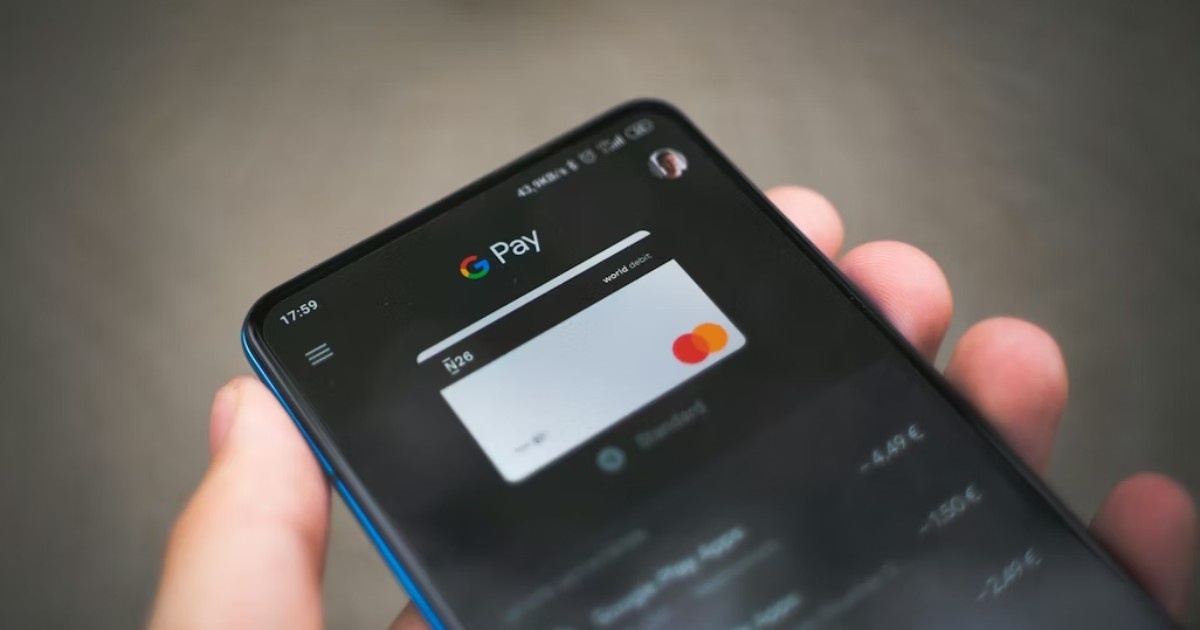
Online payments in India are set to become faster and more seamless as banks and fintech platforms roll out biometric authentication for digital transactions, allowing eligible users to approve payments using fingerprint or facial recognition instead of entering a UPI PIN or OTP.
The new feature is being introduced as part of the broader push to modernise digital payment authentication while improving both speed and security across India’s fast-growing online payments ecosystem.
How the New Payment System Works
Under the biometric authentication model, users can approve eligible transactions through device-based security verification such as:
- Fingerprint scan
- Face ID / facial recognition
- Other supported biometric authentication methods on smartphones
Instead of manually entering a UPI PIN or waiting for OTP verification, the transaction is authenticated directly through the user’s registered biometric credentials on their device.
Payment Limit Fixed for Biometric Approval
The biometric UPI authentication facility is currently being enabled for transactions of up to ₹5,000, after which traditional PIN-based verification remains mandatory. Several banks and payment platforms have introduced the feature in line with regulatory norms for low-value transactions.
Why the Shift Is Happening
Industry experts say the move is aimed at making digital payments:
- Faster and frictionless
- More secure against PIN theft
- Easier for users who forget UPI PINs
- Better protected from OTP interception and fraud risks
The transition also follows growing concerns over rising digital payment fraud, with regulators and financial institutions pushing for stronger authentication mechanisms.
Banks and Apps Already Rolling It Out
Several major players have started offering biometric authentication features, including:
- ICICI Bank
- Axis Bank
- PhonePe
- CRED
- Flipkart (for select payment use cases)
Availability may vary depending on app version, bank support, and smartphone compatibility.
What Users Should Know
Despite the rollout, UPI PINs are not being eliminated entirely. PIN authentication will continue to remain active:
- For transactions above ₹5,000
- As a fallback if biometric verification fails
- On devices without biometric capability
- For payment flows where biometric support is unavailable
What It Means for Digital Payments
The introduction of biometric UPI authentication marks another major evolution in India’s digital payments ecosystem, which continues to lead globally in real-time payment adoption. If widely adopted, the system could improve transaction success rates and make everyday online payments more convenient for millions of users.
Biometric Payments Could Improve Checkout Speed
The adoption of biometric authentication is expected to make online transactions significantly faster, particularly for routine low-value purchases.
By removing the need to manually enter a UPI PIN or wait for OTP verification, payment apps can offer a smoother checkout experience for users across e-commerce, food delivery, and utility payment platforms.
Industry experts believe this could further boost digital payment adoption in high-frequency transaction categories.
Security and Privacy Remain Key Focus Areas
While biometric verification offers convenience, financial institutions are expected to place strong emphasis on data protection and secure device-level authentication. In most implementations, biometric data is stored locally on the user’s device rather than shared with merchants or payment platforms.
Experts say maintaining robust encryption and secure authentication protocols will be critical to user trust as adoption expands.
Merchants Likely to Benefit From Faster Transactions
Businesses may also gain from quicker payment approvals and reduced cart abandonment during checkout. Faster digital transactions can improve customer experience and help merchants process larger volumes of payments more efficiently, particularly during peak sales periods.
Wider Rollout Expected Across Fintech Ecosystem
As more banks and payment platforms integrate biometric authentication, the feature is expected to become increasingly common across India’s digital payments ecosystem.
Analysts say wider adoption could help shape the next phase of UPI innovation, combining convenience with stronger fraud prevention measures in everyday transactions.
Image source: Unsplash
Also read: Delhi-NCR Gets First Barrierless Multi-Lane Free-Flow Toll System Under New Government Push
Add News Vent as a preferred source on Google – Click Here
Last Updated on: Saturday, May 2, 2026 11:22 am by Koushik Velpuri | Published by: Koushik Velpuri on Saturday, May 2, 2026 11:22 am | News Categories: News, India
About The Author