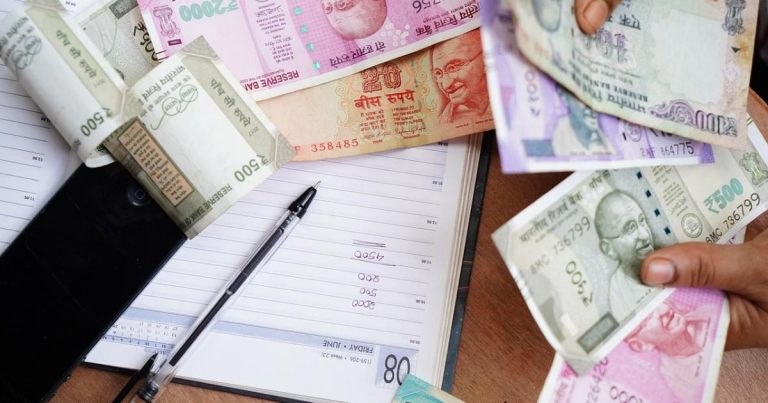

Gold and silver rates witnessed a sharp correction in the physical bullion market on May 16, with silver prices falling by as much as ₹10,000 per kg in major domestic markets, while gold prices also retreated after recent record highs.
The decline comes amid heavy profit booking, global bullion weakness, and market adjustment following India’s recent import duty hike on precious metals. India earlier raised import tariffs on gold and silver from 6% to 15% to curb imports and support the rupee.
Precious Metals See Sharp Pullback
After an explosive rally earlier in the week, bullion markets witnessed significant cooling. Silver saw one of the sharpest declines, reflecting the metal’s traditionally higher volatility compared with gold. Market participants appear to be booking profits after recent gains triggered by tariff-related price spikes.
Physical bullion prices in retail markets are often influenced by:
- International commodity movement
- Domestic import duty changes
- Rupee-dollar exchange rates
- Retail demand trends
- Investor sentiment
Why Gold and Silver Are Falling Today
Several major factors appear to be contributing to the correction:
- Profit booking after recent sharp rally
- Weakness in international bullion prices
- Rising global bond yields reducing gold appeal
- Stronger dollar sentiment
- Short-term speculative unwinding
Recent global weakness in gold and silver has also weighed on domestic sentiment.
Retail Buyers and Investors Track Market Direction Closely
The sharp decline in precious metal prices is likely to attract close attention from both retail buyers and investors assessing whether the correction represents a short-term pullback or the beginning of a broader trend adjustment.
Gold and silver often witness rapid price movement during periods of heightened macroeconomic uncertainty, making timing an important consideration for market participants.
Silver’s Higher Volatility Remains a Key Factor
Compared with gold, silver typically experiences sharper price swings due to its dual role as both an investment asset and an industrial commodity. Changes in global manufacturing sentiment, industrial demand expectations, and broader investor risk appetite can amplify silver price movement, making corrections more pronounced.
Global Economic Signals Continue to Influence Bullion
Precious metal pricing remains closely linked to international financial conditions, including US interest rate expectations, bond yield movement, currency strength, inflation concerns, and geopolitical developments. Domestic bullion prices in India are further influenced by import costs and rupee-dollar fluctuations.
Jewellery Demand May Temporarily Improve
Short-term price corrections can encourage some jewellery buying, especially among consumers who had delayed purchases during recent highs. However, sustained consumer demand will likely depend on whether prices stabilise at lower levels rather than remaining highly volatile.
For retail buyers, the pullback could offer temporary breathing room after the recent surge in bullion prices. Wedding buyers, jewellery shoppers, and small investors often react quickly to price volatility, especially when prices move sharply over a short period.
Commercial and Investment Sentiment Remains Volatile
Bullion remains highly sensitive to macroeconomic developments, especially inflation expectations, interest rate outlook, and geopolitical uncertainty. Sharp corrections do not necessarily indicate a long-term reversal but may reflect temporary market rebalancing.
Key Insights
- The correction highlights how rapidly domestic bullion prices can react to both global market sentiment and domestic policy interventions.
- India’s import duty hike materially altered domestic pricing dynamics, but short-term volatility suggests markets are still adjusting to the policy shift.
- Silver’s sharper decline reflects its dual exposure to both investment sentiment and industrial demand expectations.
- Gold remains a closely watched defensive asset, but rising yields can reduce near-term attractiveness versus interest-bearing alternatives.
- Retail consumers may benefit temporarily from lower prices, though sustained affordability will depend on global bullion direction, currency movement, and policy stability.
Image source: Unsplash
Also read: LPG, PNG Prices Today (May 16): Check Latest Domestic and Commercial Gas Rates Across Major Cities
Add News Vent as a preferred source on Google – Click Here
Last Updated on: Saturday, May 16, 2026 11:00 am by Koushik Velpuri | Published by: Koushik Velpuri on Saturday, May 16, 2026 10:59 am | News Categories: Business
About The Author