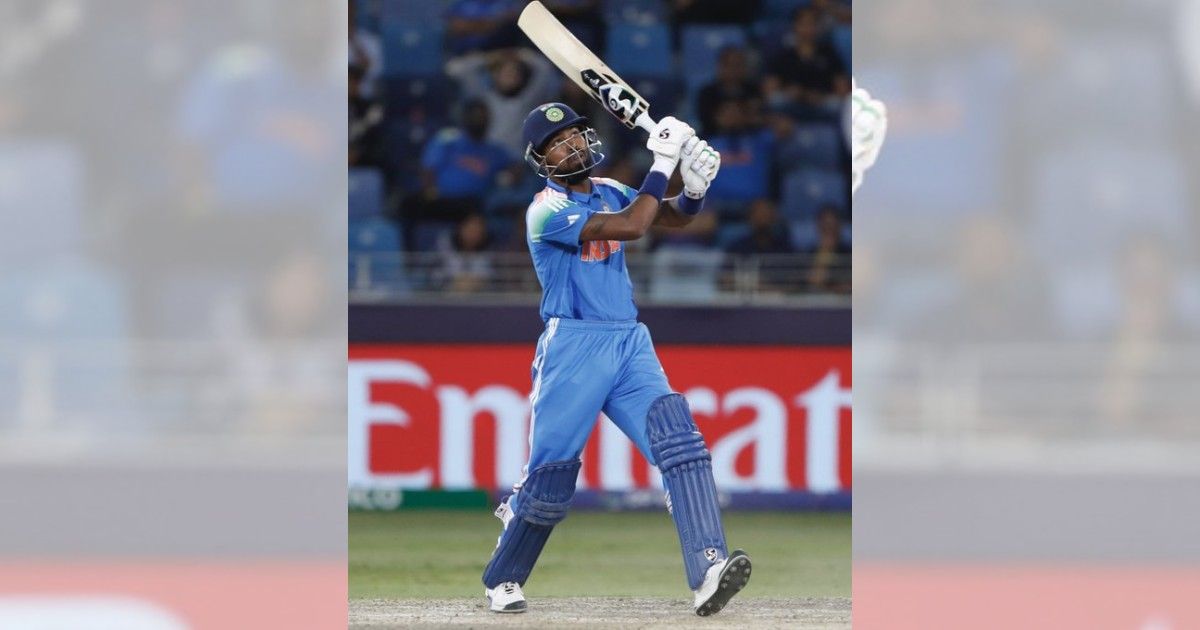
Mumbai: India all-rounder Hardik Pandya is expected to miss the upcoming One-Day International (ODI) series against Afghanistan after sustaining a low-grade quadriceps injury, dealing a setback to the Indian team’s preparations ahead of a packed international schedule.
The injury has prompted the Indian team management and medical staff to adopt a cautious approach regarding Pandya’s recovery, with selectors unwilling to risk aggravating the issue given his importance across formats. While the injury is not believed to be serious, officials are prioritizing his long-term fitness over a quick return to action.
Injury Forces Temporary Setback
According to reports, medical assessments revealed a low-grade strain in Pandya’s quadriceps muscle, prompting recommendations for rest and rehabilitation. Such injuries are generally considered minor but require careful management, particularly for players whose roles involve intense physical activity with both bat and ball.
Pandya has become one of India’s most valuable all-rounders over the past decade, contributing significantly as a middle-order batter, pace-bowling option, and dynamic fielder. Any injury concern involving the 32-year-old inevitably attracts attention given his crucial role in India’s limited-overs setup.
Team officials are expected to monitor his progress closely before making decisions regarding his participation in future international assignments.
Why India Is Taking No Risks
The Indian cricket management has increasingly emphasized workload management and injury prevention, especially for multi-format players. With several major tournaments and bilateral series scheduled over the coming months, ensuring that key players remain fully fit has become a strategic priority.
Pandya’s injury history is another factor influencing the cautious approach. Over the years, the all-rounder has dealt with various fitness challenges, including back-related issues and muscle injuries that have occasionally interrupted his international career.
Medical experts often advise gradual rehabilitation for quadriceps injuries, particularly for athletes who rely heavily on explosive movements such as sprinting, bowling, and power-hitting.
Given Pandya’s significance to India’s white-ball plans, selectors are unlikely to rush him back before he receives complete medical clearance.
Opportunity for Emerging Players
Pandya’s absence could create opportunities for other all-rounders and middle-order players seeking to strengthen their claims for a permanent place in the national side.
India’s bench strength has improved considerably in recent years, with several young players gaining international exposure through bilateral series and domestic competitions. The Afghanistan ODI series may now serve as an important platform for fringe players to showcase their abilities.
Team management could use the opportunity to evaluate alternative combinations and assess backup options ahead of future tournaments.
Cricket analysts note that injuries to senior players often accelerate the development of emerging talent by providing valuable match experience at the international level.
Importance of the Afghanistan Series
Although bilateral ODI series are often viewed as preparation for larger events, matches against Afghanistan have become increasingly competitive in recent years. Afghanistan’s rise in international cricket has transformed them into a challenging opponent, particularly due to their strong spin-bowling resources and improving batting depth.
For India, the series offers an opportunity to test squad depth, fine-tune combinations, and build momentum ahead of upcoming international commitments.
The absence of a senior player such as Pandya may require adjustments to the team’s balance, particularly in terms of all-round capabilities and middle-order flexibility.
Focus on Recovery
The immediate priority for Pandya will be rehabilitation and recovery. Sports medicine specialists generally recommend a combination of rest, physiotherapy, strength conditioning, and gradual return-to-play protocols for low-grade muscle strains.
If recovery progresses as expected, the all-rounder could return to competitive cricket within a relatively short period. However, timelines will ultimately depend on medical assessments and fitness benchmarks established by the team’s support staff.
Image credits: X/hardik pandya
Add News Vent as a preferred source on Google – Click Here
Last Updated on: Wednesday, June 10, 2026 11:29 am by Koushik Velpuri | Published by: Koushik Velpuri on Wednesday, June 10, 2026 11:29 am | News Categories: Sports
About The Author