Jerusalem/Tehran: Israel has entered what officials are calling “Phase 2” of the ongoing Iran war, marking a major escalation from targeted military strikes to a broader campaign that now includes energy infrastructure, leadership targets, and regional assets. The shift signals a dangerous turning point not just for the Middle East, but for global security and energy markets.
Phase 2 Begins: From Military Targets to Economic Warfare
The most defining move in this new phase is Israel’s strike on Iran’s South Pars gas field, the world’s largest natural gas reserve. The attack has already disrupted production and sent global energy prices surging.
This marks a clear transition:
- Phase 1: Targeting nuclear sites, military bases, and commanders
- Phase 2: Targeting economic lifelines and national infrastructure
Within hours, Iran responded by threatening and launching strikes on key energy facilities across the Gulf, including Qatar’s Ras Laffan gas hub, triggering fires and global alarm.
This is no longer just a military conflict it is now an energy war with global consequences.
Assassinations and Intelligence Dominance
Another defining element of Phase 2 is Israel’s aggressive targeting of Iranian leadership.
- Iran’s intelligence minister Esmail Khatib was killed
- Multiple senior officials were eliminated within 24 hours
- Israeli forces appear to have deep intelligence access inside Iran
This suggests Israel is attempting to:
- Disrupt Iran’s command structure
- Weaken internal security systems
- Accelerate long-term destabilization
Iran’s Response: Missiles, Drones, and New Weapons
Iran has escalated in return, launching:
- Ballistic missiles
- Drone attacks
- Cluster munitions, which are harder to intercept
Some missiles have already hit Israeli urban areas, causing civilian casualties and infrastructure damage.
Experts warn this could lead to:
- Higher civilian risk
- Overwhelmed air defense systems
- Prolonged urban warfare scenarios
Regional Spillover: A Wider Middle East Conflict
Phase 2 is no longer contained within Israel and Iran.
Recent developments show:
- Attacks on Qatar, UAE, and Saudi energy infrastructure
- Rising tensions in Lebanon with continued Israeli strikes
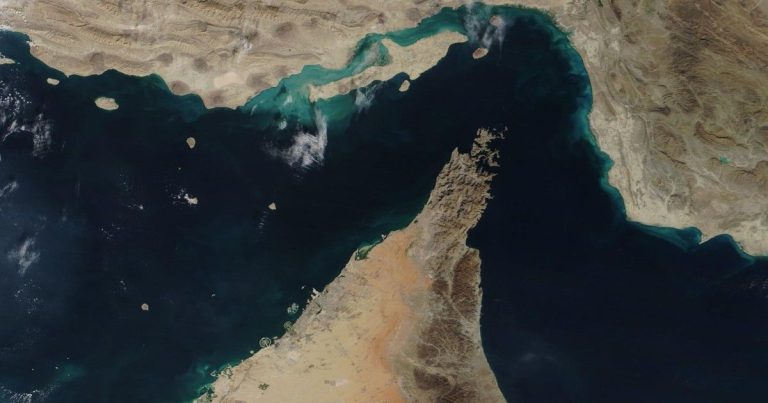
- Threats to the Strait of Hormuz, a critical global oil route
This indicates a shift toward a multi-country regional conflict, increasing the risk of global involvement.
Global Impact: Oil, Gas, and Economic Shockwaves
The war is already affecting global markets:
- Oil prices nearing $110 per barrel
- Gas prices rising sharply in Europe
- Supply chain disruptions across Asia and the West
If escalation continues, experts warn of:
- Global inflation spikes
- Fuel shortages
- Economic instability
What Happens Next?
Military analysts say Phase 2 could lead to three possible scenarios:
1. Full-Scale Regional War
More countries may be pulled in, especially if energy infrastructure continues to be targeted.
2. Regime Pressure Inside Iran
Sustained attacks on leadership and infrastructure could weaken internal stability.
3. Global Intervention
With energy markets at risk, major powers may intervene diplomatically or militarily.
The Bottom Line
Israel’s declaration of Phase 2 represents a strategic escalation from tactical strikes to systemic disruption. With both sides now targeting critical infrastructure and expanding the battlefield, the conflict has entered its most dangerous phase yet.
The next few days will be crucial in determining whether this remains a regional war or becomes a global crisis.
Also read: Nifty 50 Top Gainers Today: Jio Financial, Tech Mahindra, HCLTech Among Key Winners
Add News Vent as a preferred source on Google – Click Here
Last Updated on: Thursday, March 19, 2026 12:21 pm by Koushik Velpuri | Published by: Koushik Velpuri on Thursday, March 19, 2026 12:21 pm | News Categories: Politics
About The Author