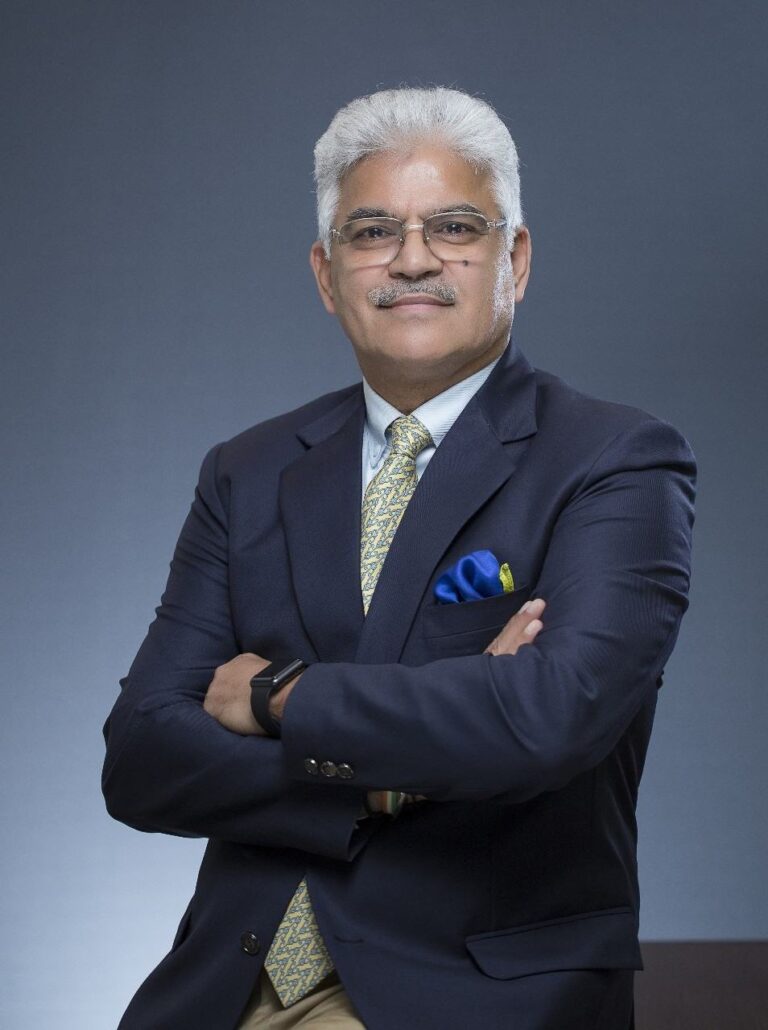
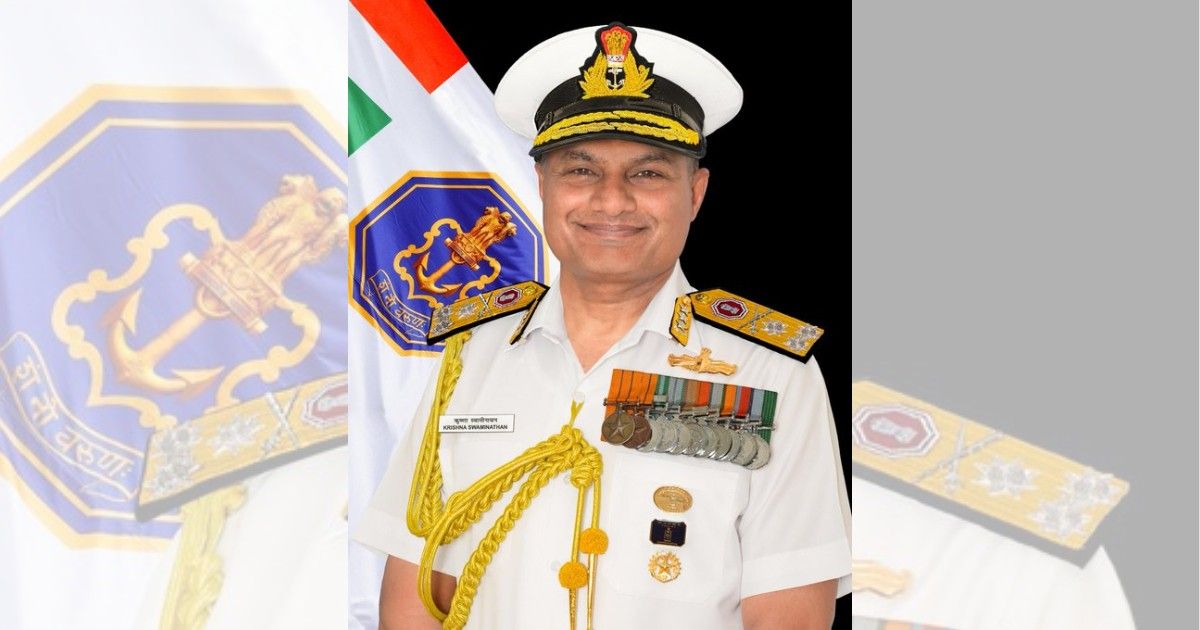
Vice Admiral Krishna Swaminathan has been appointed as the next Chief of the Naval Staff, marking a key leadership transition in the Indian Navy. The appointment places an experienced naval officer at the helm of one of India’s most strategically important defence forces amid evolving maritime security challenges in the Indo-Pacific region.
The leadership change comes at a time when India continues to strengthen naval capabilities, modernise fleet assets, and expand its strategic maritime presence across critical regional waters.
Leadership Transition in Indian Navy
Vice Admiral Krishna Swaminathan will take over as the next head of the Indian Navy, succeeding the outgoing naval chief as part of the routine top-level leadership transition within the armed forces.
As Chief of the Naval Staff, he will be responsible for overseeing operational preparedness, strategic planning, naval modernisation, personnel management, and India’s broader maritime security priorities.
Experienced Naval Officer Takes Charge
Vice Admiral Swaminathan brings extensive operational and leadership experience to the role, having served in multiple high-level command and staff appointments during his naval career.
Senior officers appointed to the Navy’s top leadership roles typically possess decades of expertise in maritime operations, defence planning, strategic command, and international naval engagement.
Why the Appointment Matters
The appointment comes at a strategically significant time as India continues to expand its maritime focus amid growing geopolitical competition and security challenges in regional waters.
Key areas likely to remain central under the new leadership include:
- Naval force modernisation
- Indigenous warship and submarine development
- Maritime surveillance enhancement
- Indo-Pacific strategic partnerships
- Operational readiness and fleet capability expansion
Indian Navy’s Strategic Role Expanding
The Indian Navy has become increasingly important to India’s defence posture, particularly as maritime trade security, regional power competition, and strategic sea lane protection gain greater significance.
India has been steadily investing in advanced naval assets, including aircraft carriers, submarines, destroyers, surveillance systems, and indigenous defence manufacturing capabilities.
Focus on Maritime Modernisation
The next naval chief is expected to continue overseeing efforts related to fleet expansion and capability enhancement as India works to strengthen its blue-water naval ambitions.
Defence analysts say long-term modernisation remains essential as maritime operational requirements evolve.
Indo-Pacific Security Context
The appointment also comes against the backdrop of increasing focus on the Indo-Pacific region, where strategic competition, freedom of navigation concerns, and defence cooperation among regional powers continue to shape security calculations.
India’s naval leadership plays a critical role in shaping the country’s maritime strategic posture.
Leadership Continuity and Defence Planning
Top military leadership transitions are viewed as important moments for institutional continuity, strategic recalibration, and execution of long-term defence objectives.
Vice Admiral Swaminathan’s leadership will likely be closely watched by defence observers and strategic analysts.
Outlook
As the new Chief of the Naval Staff, Vice Admiral Krishna Swaminathan is expected to lead the Indian Navy through an important phase of operational expansion, capability modernisation, and heightened maritime strategic engagement.
Image credits: X / SpokespersonMoD
Also read: Gold Rates in Hyderabad Today Fall Sharply; Check Latest Prices on May 9, 2026
Add News Vent as a preferred source on Google – Click Here
Last Updated on: Saturday, May 9, 2026 10:48 am by Koushik Velpuri | Published by: Koushik Velpuri on Saturday, May 9, 2026 10:48 am | News Categories: News, India
About The Author